Language:

Optimizing the Carbon Additive Manufacturing Process for Superior Steelmaking

Back
29 Dec 2025
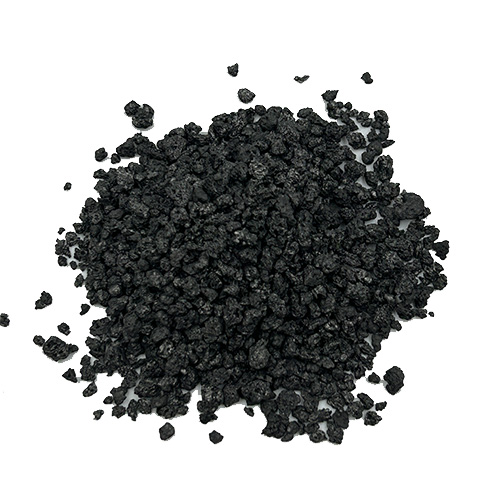
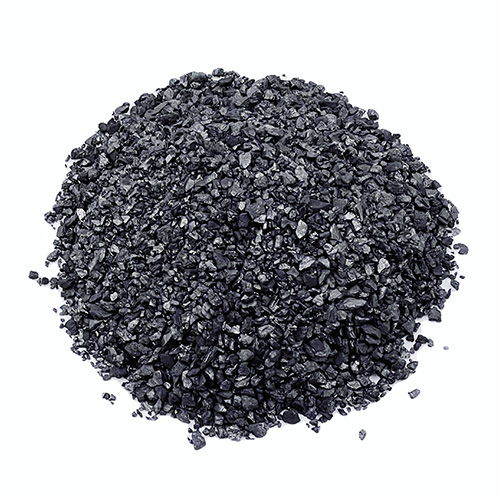
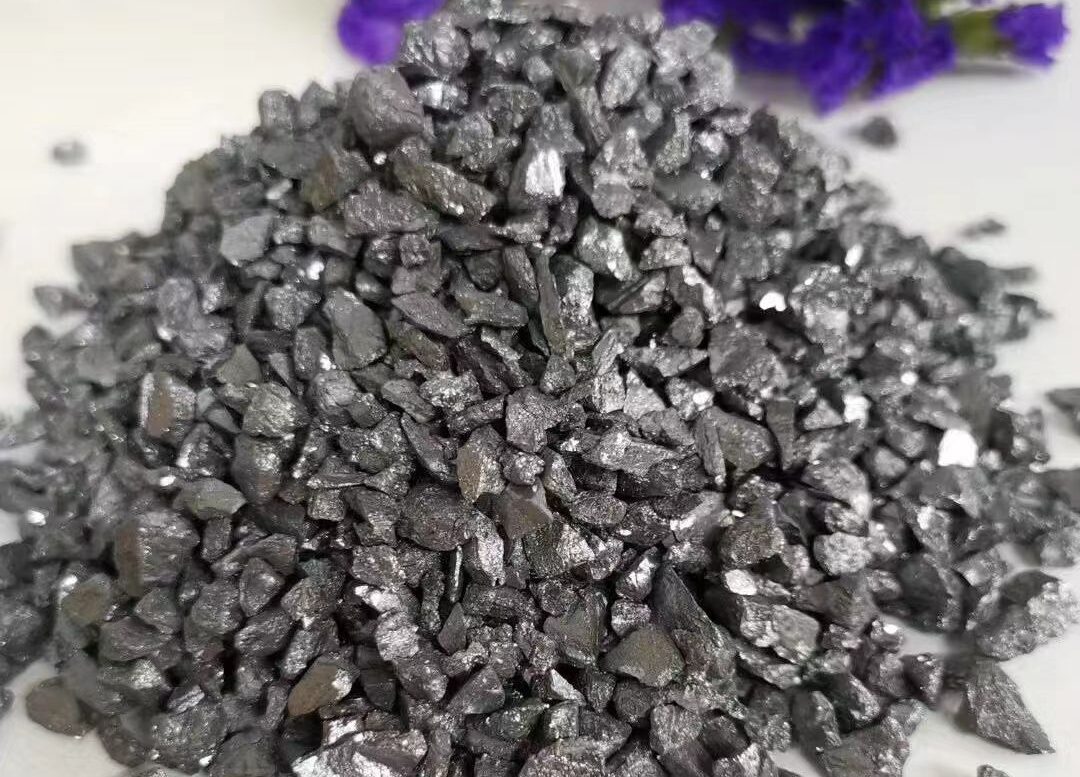
Calcined anthracite coke (CAC) is widely used as a recarburizer in steelmaking, serving as an efficient carbon additive. Known for its low ash, low sulfur, low phosphorus content, high calorific value, and strong compressive strength, CAC is produced through high-temperature calcination in electric or specialized furnaces.

Calcined anthracite coke (CAC) is widely used as a recarburizer in steelmaking, serving as an efficient carbon additive. Known for its low ash, low sulfur, low phosphorus content, high calorific value, and strong compressive strength, CAC is produced through high-temperature calcination in electric or specialized furnaces.

Incorporating a suitable carbon raiser during the manufacturing process enhances the physical and chemical properties of the final product. Benefits include reduced specific resistance and improved structural integrity.

However, conventional production methods often introduce new impurities. Addressing these contaminants requires additional purification steps, leading to extended production timelines and increased costs.

A Breakthrough in Carbon Raiser Production

To overcome these challenges, a new method has been developed. By applying graphitization treatment to the carbon raiser, product purity is significantly increased, resulting in enhanced thermal and electrical conductivity.

Advanced Carbon Additive Manufacturing Process

1. Raw Material Mixing Petroleum coke is ground into a fine 300-mesh powder and uniformly blended with a carbon-containing material. Asphalt is then added and mixed thoroughly to form a homogeneous blend. The typical composition by weight includes:

  • Petroleum coke: 15–25%
  • Asphalt: 1–3%
  • Carbon-containing material: 60–80% (comprising a 3:2 ratio of micropurified graphite and free carbon)

2. Pretreatment Water is added to the mixture, which is then processed in a rotary granulator to form consistent granules.

3. Surface Treatment The granules are tumbled in a rotating drum for 4–10 hours to achieve a smooth surface. This step eliminates protrusions and burrs, ensuring uniform graphitization and consistent quality.

4. Sieving Granules larger than 8mm are separated, crushed, and returned to the surface treatment stage. This ensures all particles are 8mm or smaller.

5. Drying The sieved material is dried in a vertical dryer at 80°C–120°C for 60–80 minutes. The process reduces moisture content to 1% or less.

6. Graphitization Dried particles are placed in a graphitization furnace and calcined at 2300°C–2800°C for 8–10 days. This high-temperature treatment is crucial for impurity removal and enhancing material properties.

7. Packaging After cooling, the graphitized particles are sorted and packaged according to size: 0–2mm, 2–5mm, and 5–8mm.

Comparing Four Carbon Additive Production Cases

Experimental studies involving adjustments in raw material ratios, surface treatment duration, and graphitization temperature reveal key insights:

  • Impurity Removal: Raising the graphitization temperature to 2800°C removes over 90% of impurities, substantially increasing carbon additive purity.
  • Surface Smoothness: Inadequate surface treatment results in burrs and uneven heating during drying and graphitization, compromising product quality.
  • Material Formulation: The ratio of raw materials should be tailored to meet specific product requirements.

Conclusion

This innovative manufacturing method significantly enhances the purity of carbon raiser products while reducing production costs. By offering multiple optimized production cases, this approach provides a reliable reference for global technicians seeking to improve their carbon additive processes for steelmaking applications.

Contant Long Silicon
Our company was founded in 2006 with a registered capital of 5 million CNY. It mainly produces iron alloys and auxiliary materials in iron and steel smelting, building materials, electric power, petrochemical, non-ferrous smelting and other industries.
Not seeing a product that suits your needs?
Let Long Silicon sales experts make the selection for you
Related News Recommendation
Apr 02, 2025
Analysis of Ferroalloy Production and Consumption in 2025 and Outlook for 2026
Analysis of ferroalloy production in 2025 Analysis of ferroalloy consumption in 2025 Outlook for the ferroalloy industry in 2026
More
Jan 09, 2026
High Carbon Silicon 68 Si 18 C for Steelmaking
High Carbon Silicon (Si–C alloy) is an emerging alloy material widely used in the steelmaking and foundry industries. Among various grades, High Carbon Silicon 68 Si 18 C has gained attention for its excellent cost-performance ratio and stable alloying effects. This alloy typically contains 68% silicon, 18% carbon, and small amounts of iron, aluminum, and calcium. It combines the deoxidizing properties of silicon with the carbon-enhancing ability of graphite, making it an ideal substitute for ferrosilicon in steel production. In modern steel plants aiming to reduce costs without sacrificing quality, high carbon silicon has become a preferred choice in place of traditional FeSi 75 or FeSi 72.
More
Dec 11, 2025
Calcium silicon alloy has excellent properties and widely applications
More
+86 13523337775
+86 13523337775
ayzhyjnc888@gmail.com
X
Let's Have A Chat
REQUEST A QUOTE

    Your email information is completely secure and
    will not be disclosed to third parties for any reason.