Call Us Today!
(86) 13523337775 |
ayzhyjnc888@gmail.com

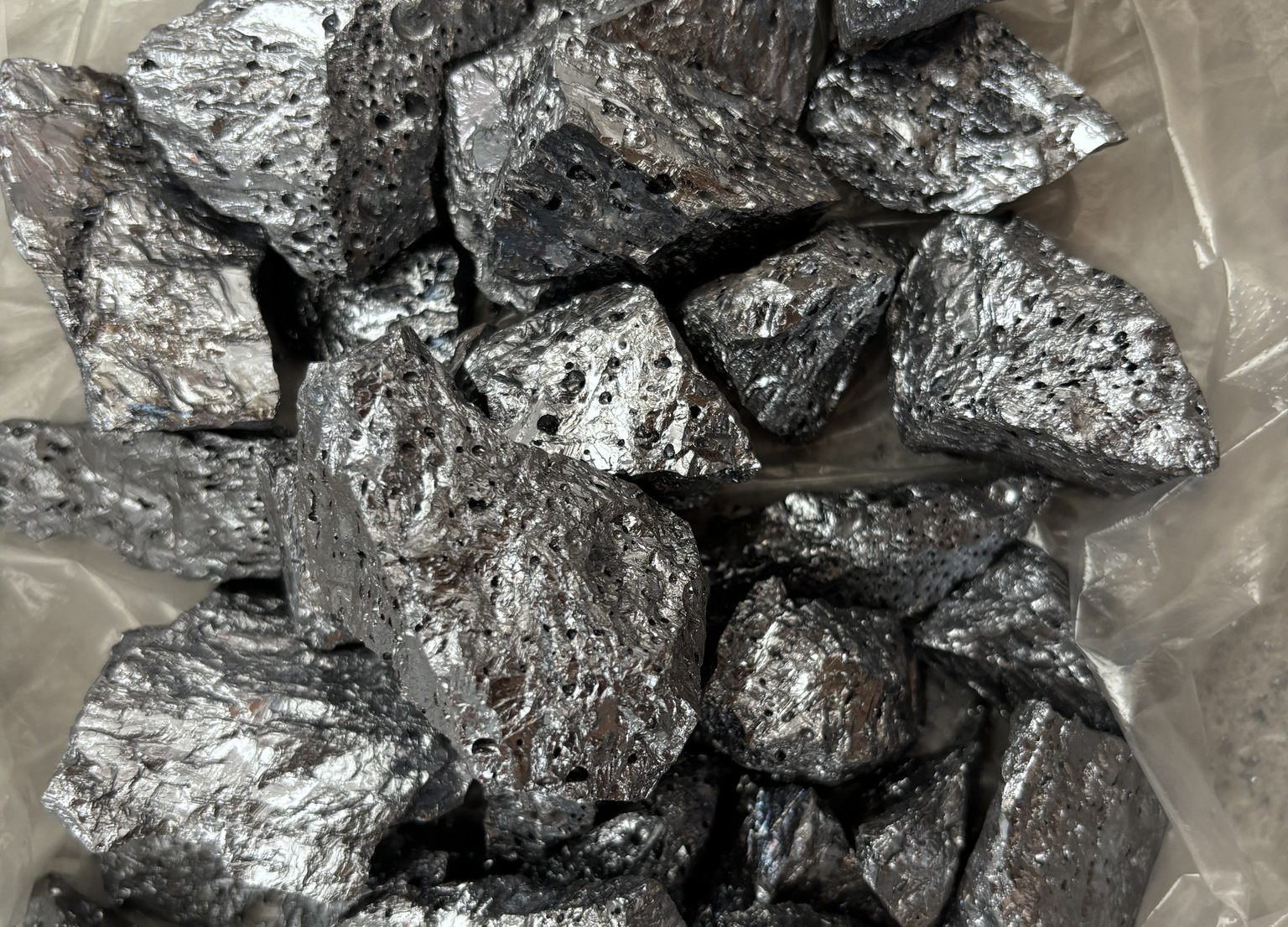
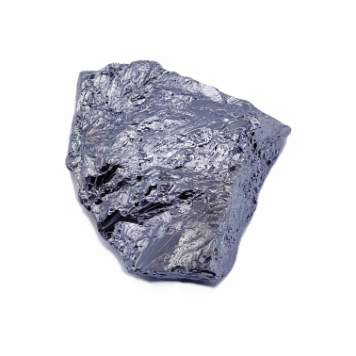
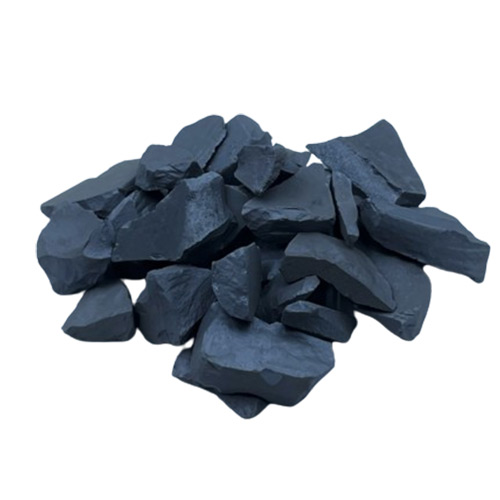
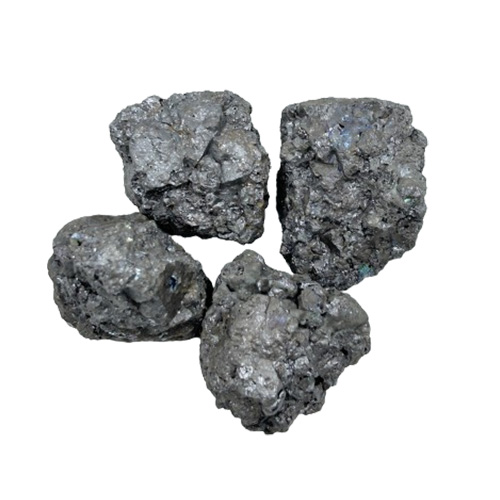
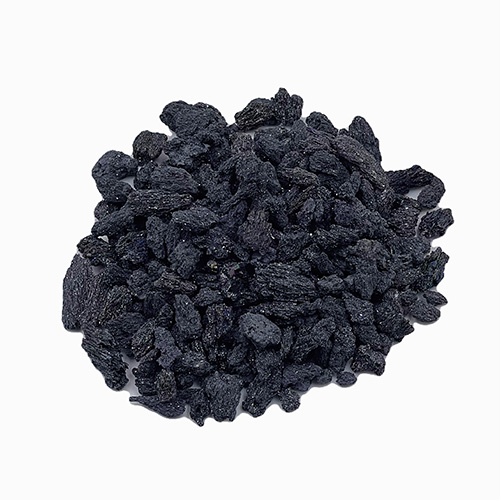
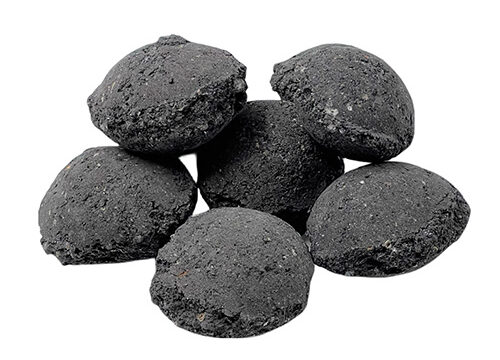
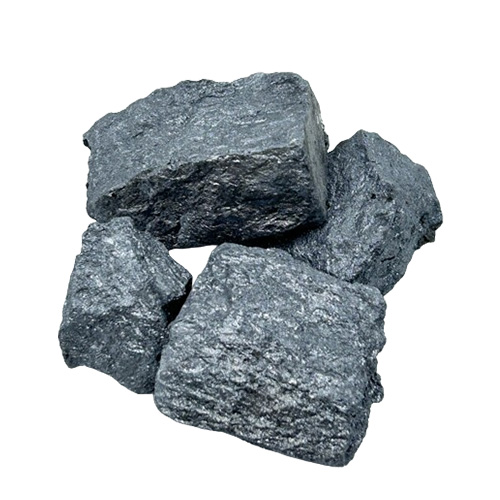
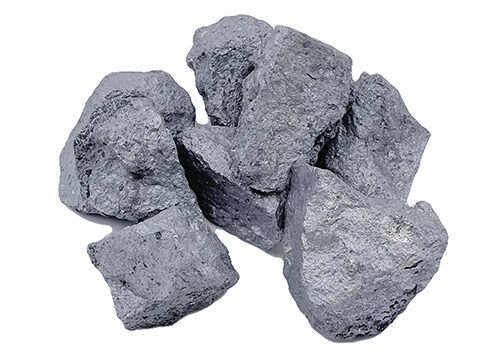
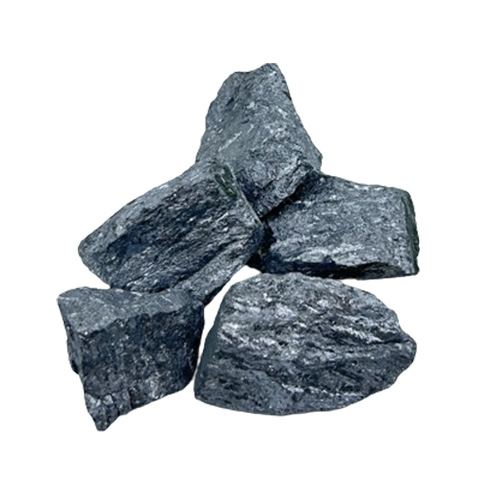
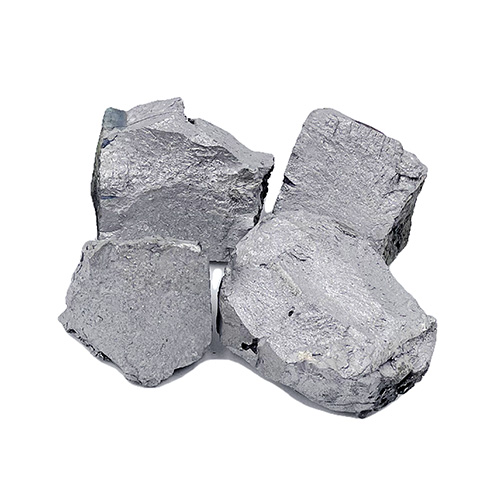
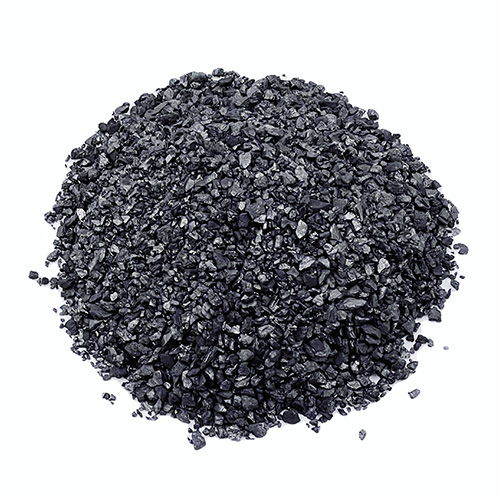
High Carbon Silicon (Si–C alloy) is an emerging alloy material widely used in the steelmaking and foundry industries. Among various grades, High Carbon Silicon 68 Si 18 C has gained attention for its excellent cost-performance ratio and stable alloying effects.
This alloy typically contains 68% silicon, 18% carbon, and small amounts of iron, aluminum, and calcium. It combines the deoxidizing properties of silicon with the carbon-enhancing ability of graphite, making it an ideal substitute for ferrosilicon in steel production.
In modern steel plants aiming to reduce costs without sacrificing quality, high carbon silicon has become a preferred choice in place of traditional FeSi 75 or FeSi 72.
This balanced composition allows high carbon silicon to perform multiple metallurgical functions—deoxidation, carbon addition, and alloying—in a single material.
Production Process of High Carbon Silicon
High Carbon Silicon 68 Si 18 C is produced in an electric arc furnace using silicon slag, coke, and quartz as raw materials. The process involves:
• Raw Material Preparation – Selecting high-purity quartz and low-ash carbon sources.
• Smelting in Electric Furnace – The furnace temperature exceeds 1800°C, enabling the reduction of silica by carbon to produce silicon-rich alloy liquid.
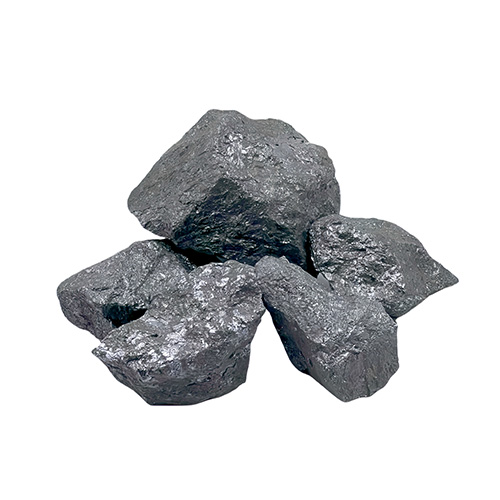
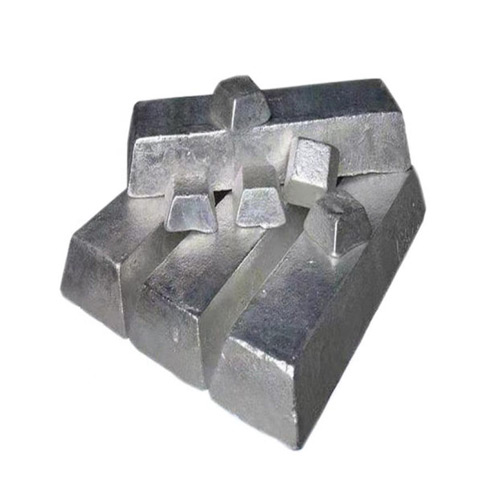
• Refining and Cooling – The molten alloy is refined to remove impurities and cooled to form blocks.
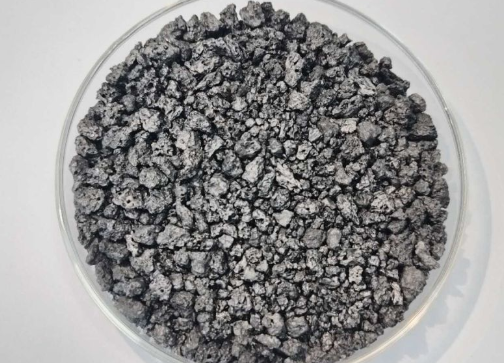
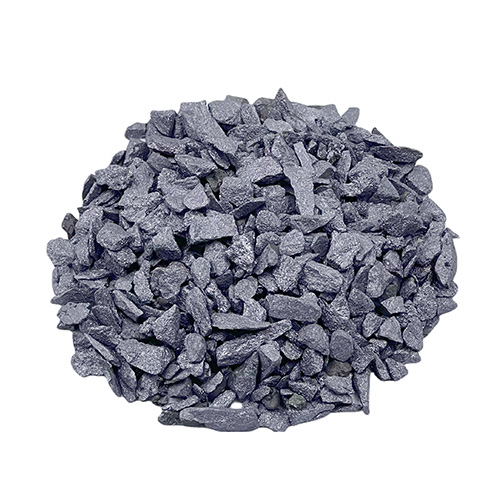
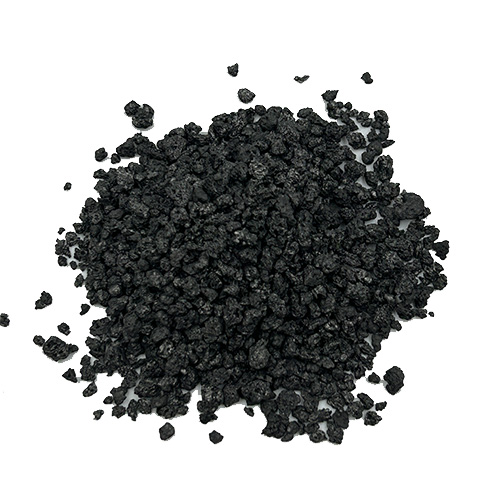
• Crushing and Screening – The solid alloy is crushed into different sizes (10–50mm, 1–10mm, 0–3mm, etc.) according to customer needs.
This smelting method not only ensures stable silicon and carbon content but also allows recycling of industrial silicon slag, making it a sustainable and environmentally friendly alloying material.
Main Applications of High Carbon Silicon 68 Si 18 C
1. Steelmaking Deoxidizer
High Carbon Silicon acts as an efficient deoxidizer during steel refining. The silicon reacts with oxygen to form SiO₂, effectively reducing oxygen content in molten steel. Compared with traditional ferrosilicon, it provides stronger deoxidation and higher economic efficiency.
2. Carbon Additive in Foundries
The carbon content (18%) helps increase the carbon level of steel or iron melts. As a result, the alloy can replace recarburizers and improve the metallurgical yield.
3. Alloying Agent
High Carbon Silicon introduces both silicon and carbon into the molten steel, improving strength, hardness, and oxidation resistance. It is especially effective in producing low-carbon and low-silicon steels.
4. Ferrosilicon Substitute
Due to its similar metallurgical behavior, High Carbon Silicon 68 Si 18 C is often used as a partial or complete replacement for ferrosilicon (FeSi 75/72) in converter and electric furnace steelmaking. It achieves comparable deoxidation results at 20–40% lower cost.
Advantages of Using High Carbon Silicon 68 Si 18 C
1. Cost Reduction
The most prominent advantage is cost savings. By replacing part of ferrosilicon, steel mills can reduce overall alloy consumption costs by up to 30% without affecting steel quality.
2. Enhanced Metallurgical Performance
Its dual role as a silicon and carbon source improves the fluidity of molten steel, reduces slag viscosity, and enhances deoxidation efficiency.
3. Environmental Benefits
Using high carbon silicon supports circular economy principles. Much of the raw material is derived from recycled silicon slag, reducing waste and environmental impact.
4. Stable Quality and Easy Handling
With controlled composition and uniform granularity, it ensures stable performance in steelmaking operations. It can be easily fed into converters, electric furnaces, or induction furnaces.
Comparison: High Carbon Silicon vs Ferrosilicon
Main advantage
Dual effect, low cost
High purity
This comparison highlights why more steel plants are switching to high carbon silicon as a more economical ferrosilicon alternative, especially in converter steelmaking.
Storage and Handling
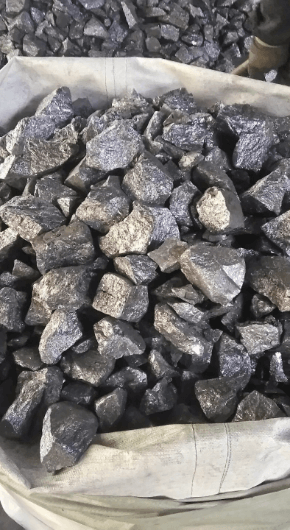
High Carbon Silicon should be stored in a dry and ventilated environment to avoid oxidation and moisture absorption. During transport, it is recommended to use woven bags or ton bags to prevent contamination from dust or moisture.
HSferroalloy – Reliable Supplier of High Carbon Silicon 68 Si 18 C
As a professional ferroalloy manufacturer and exporter, HSferroalloy specializes in the production and supply of high-quality High Carbon Silicon (68 Si 18 C).
Our advantages include:
• Stable and accurate chemical composition
• Customizable particle sizes (0–3mm, 3–10mm, 10–50mm)
• Factory-direct pricing and on-time delivery
• Professional technical support for steel mills and foundries
We supply not only high carbon silicon but also ferrosilicon, silicon manganese, silicon slag, and cored wire products to customers worldwide.
Ferroalloy Manufacturer – Hongshun
High Carbon Silicon 68 Si 18 C represents a new generation of alloying materials combining performance, economy, and sustainability.
Its role as a ferrosilicon substitute and carbon additive makes it indispensable for modern steelmaking and casting industries aiming for high efficiency and low cost.