Call Us Today!
(86) 13523337775 |
ayzhyjnc888@gmail.com

In the realm of industrial materials, silicon manifests in various forms such as Metal Silicon Powder (Silicon Metal Powder) and Silica Fume. Although their names are similar, they are distinct products. Understanding their differences is crucial for selecting and applying these materials correctly.
I. Metal Silicon Powder
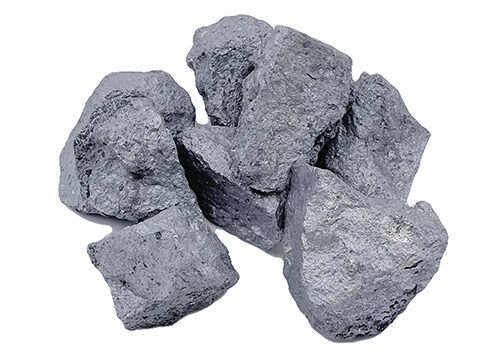
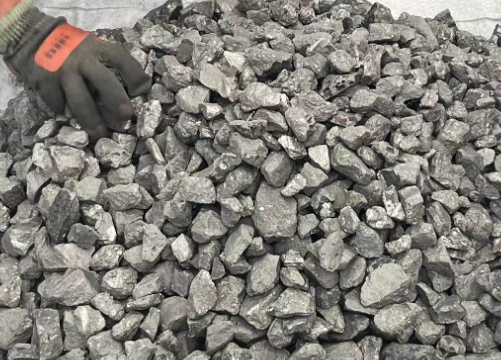
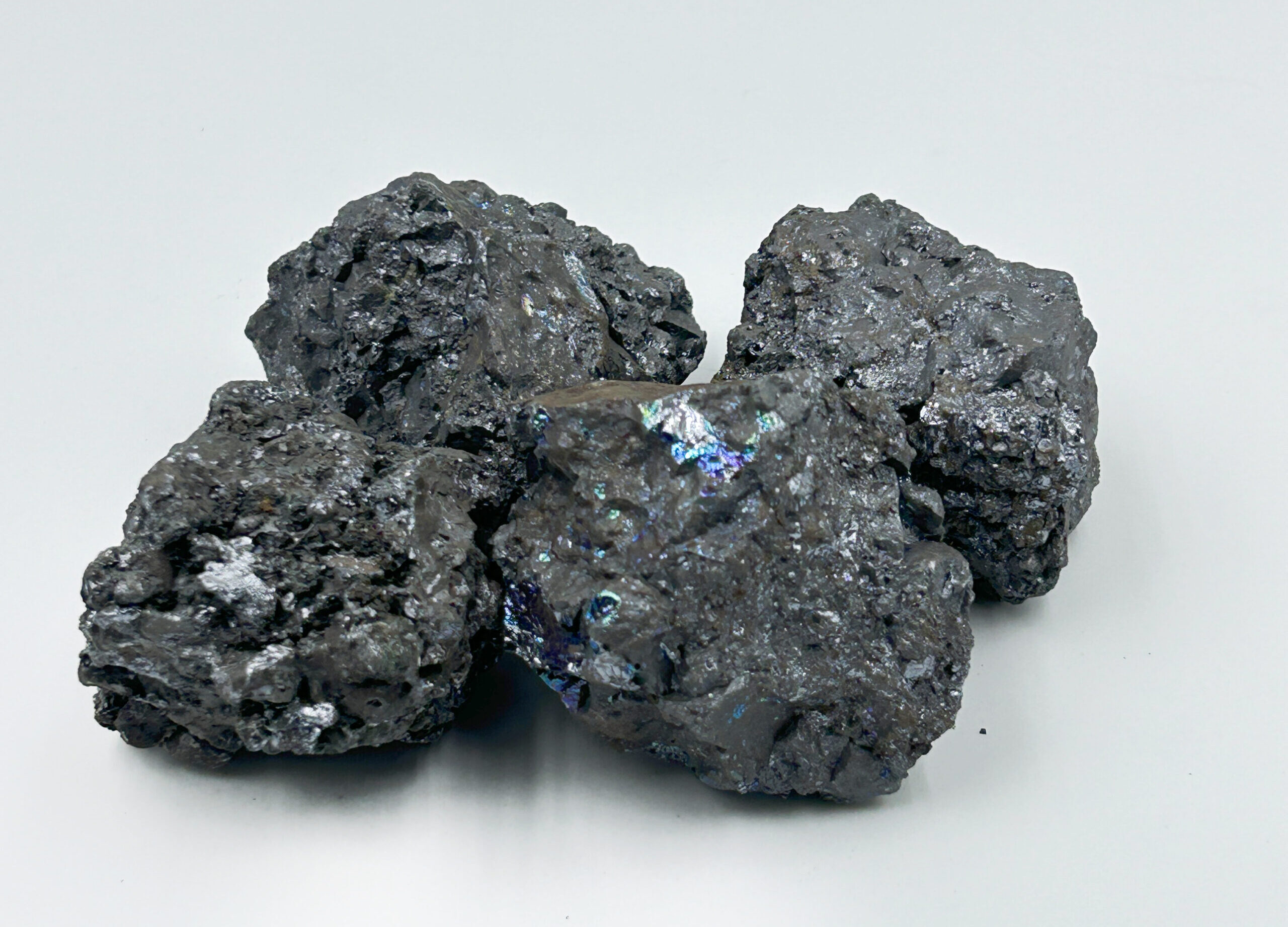
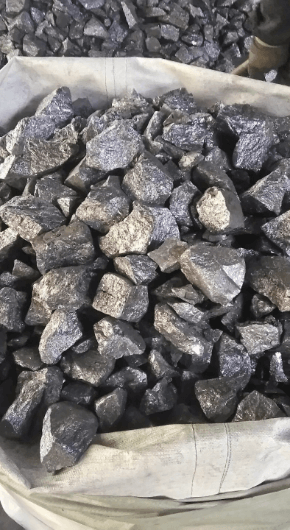
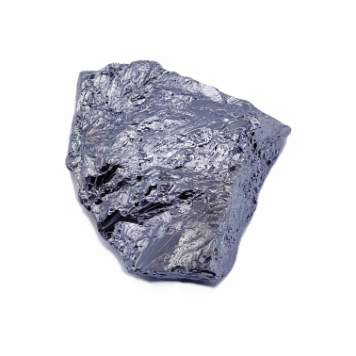
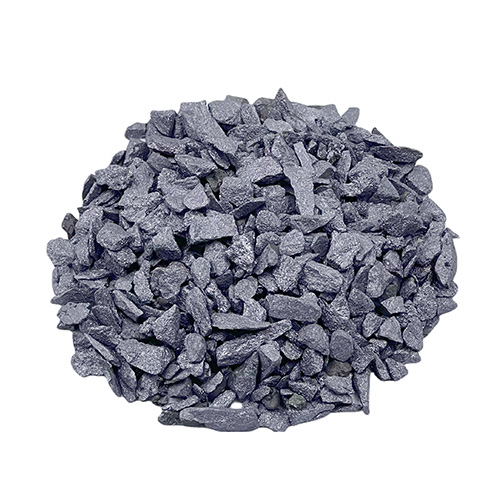
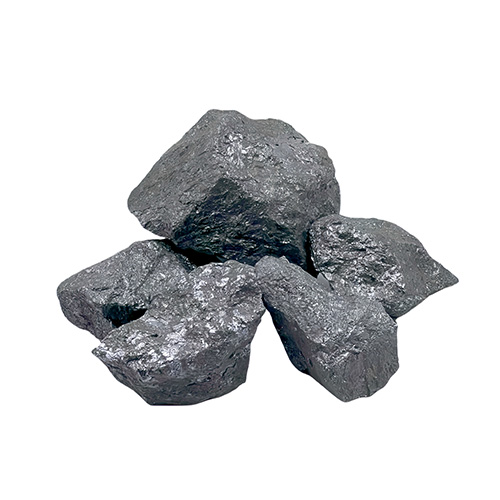
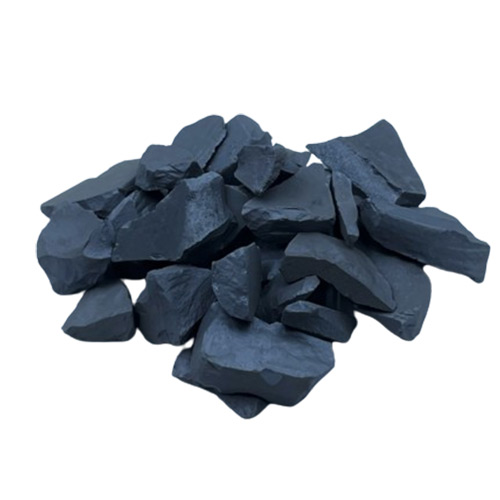
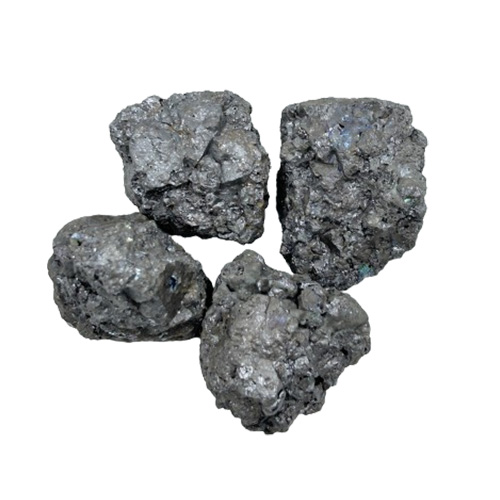
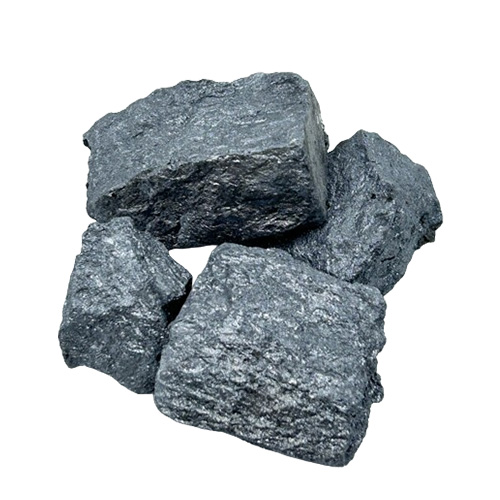
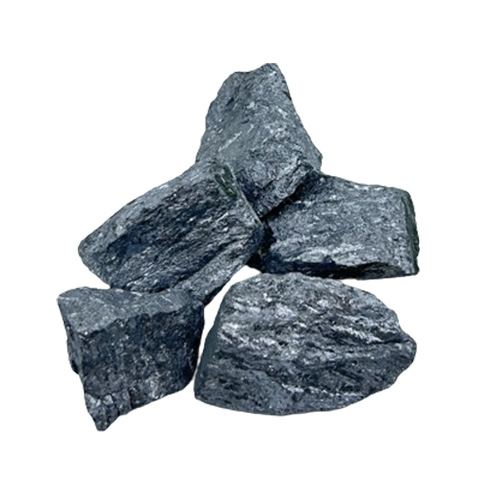
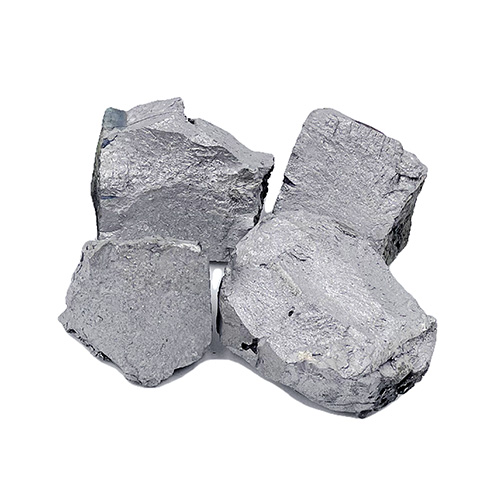
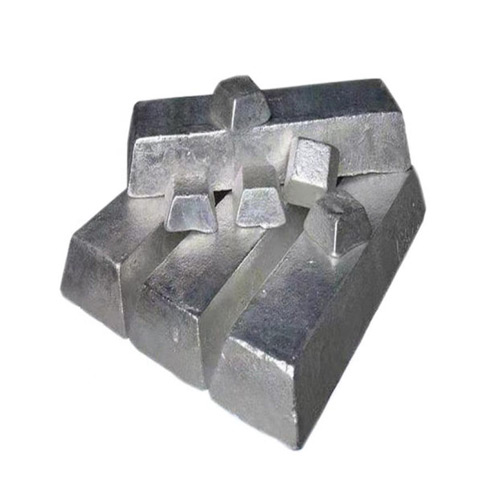
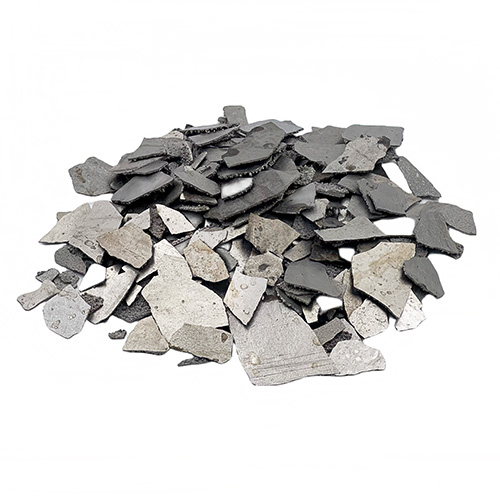
Metal Silicon Powder is produced by grinding and processing metallic silicon (also known as crystalline silicon or industrial silicon) into a powdered form. Industrial silicon primarily serves as an additive in non-ferrous alloys and is also used as an alloying agent in high-quality silicon steel production and as a deoxidizer in special steel and non-ferrous alloy smelting. After a series of processes, industrial silicon can be drawn into single-crystal silicon, widely used in the electronics industry.
1. Refractory Materials and Powder Metallurgy: Metal silicon powder enhances heat resistance, wear resistance, and oxidation resistance, making it suitable for use in steelmaking furnaces, kilns, and kiln furniture.
2. Organic Silicon Chemical Industry: As a fundamental raw material for synthesizing organic silicon polymers, metal silicon powder is used in producing silanes, silicone oils, silicone rubber anti-corrosives, enhancing properties like thermal stability, electrical insulation, corrosion resistance, and waterproofing.
3. High-Tech Fields: Metal silicon powder, when drawn into single-crystal silicon, is further processed into silicon wafers, which are indispensable materials for integrated circuits and electronic components.
4. Metallurgical Casting Industry: Metal silicon powder serves as a non-ferrous alloy additive and silicon steel alloying agent, improving the hardenability of steel. It can also act as a reducing agent for certain metals in new ceramic alloys and more.
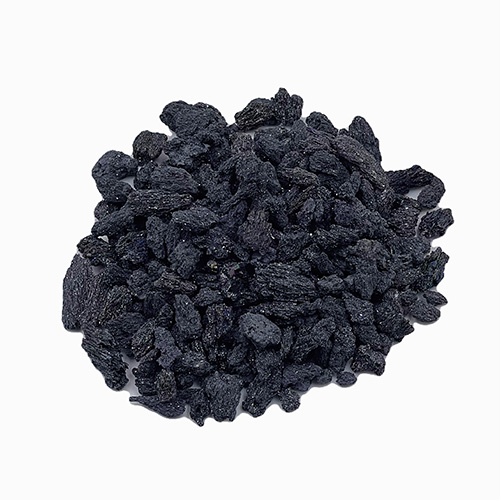
Silica Fume, also known as microsilica, is recovered from the exhaust gases during the production of metallic silicon or ferrosilicon alloys. Due to its extremely fine particles and high silica content, silica fume finds applications not only in the rubber and paint industries but also extensively in concrete and other sectors. Silica fume possesses pozzolanic activity, making it uniquely useful in construction materials.
1. Control of Concrete Quality: Silica fume effectively controls segregation and bleeding in concrete mixtures, reducing or preventing defects like honeycombing, pitting, weak layers, cracks, and efflorescence.
2. Enhancing Concrete Strength: Studies show that silica fume significantly increases the compressive strength of concrete.
3. Improving Concrete Durability: Silica fume improves the impermeability, frost resistance, abrasion resistance, and corrosion resistance of concrete.
4. Enhancing Reinforced Concrete Performance: Incorporating silica fume not only enhances the bond strength between the matrix and reinforcement bars but also boosts the corrosion resistance of rebars.
5. Improving Refractory Materials: Silica fume improves the flowability and density of refractory materials, enhancing their high-temperature strength and thermal shock resistance.
While both Metal Silicon Powder and Silica Fume originate from silicon, they differ fundamentally in physical characteristics and application areas. Metal Silicon Powder is primarily used in fields requiring solid-state interactions, such as metallurgy and electronics, whereas Silica Fume, due to its ultrafine particle size and pozzolanic activity, excels particularly in high-performance concrete applications within the construction industry.
Notably, there is a significant price difference between Metal Silicon Powder and Silica Fume, with Metal Silicon Powder typically costing several times more than Silica Fume due to differences in production processes, purity requirements, and application domains.