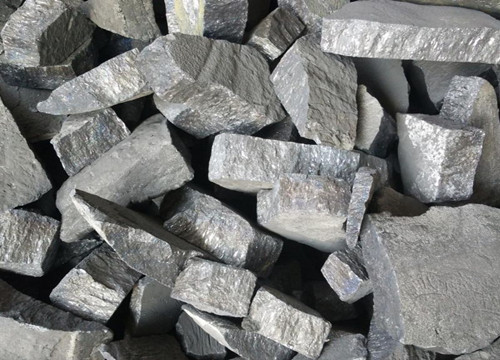
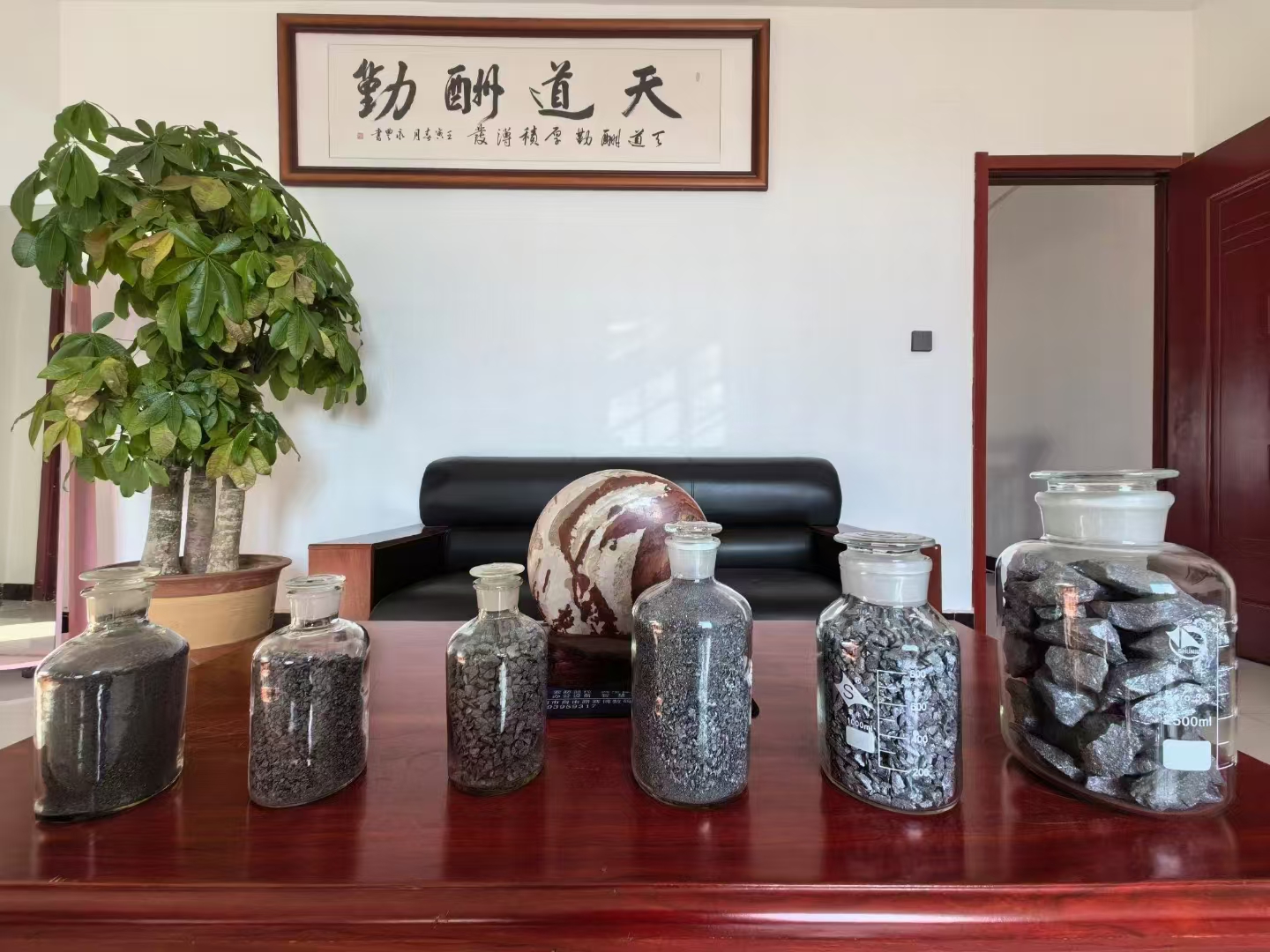
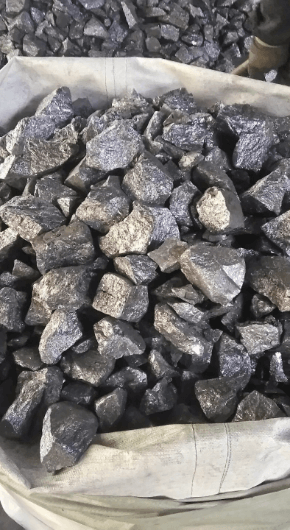
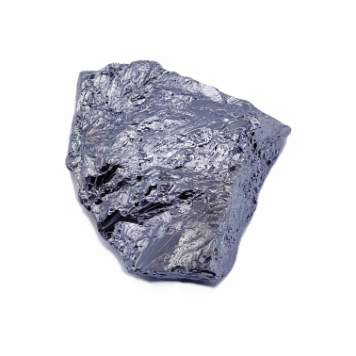
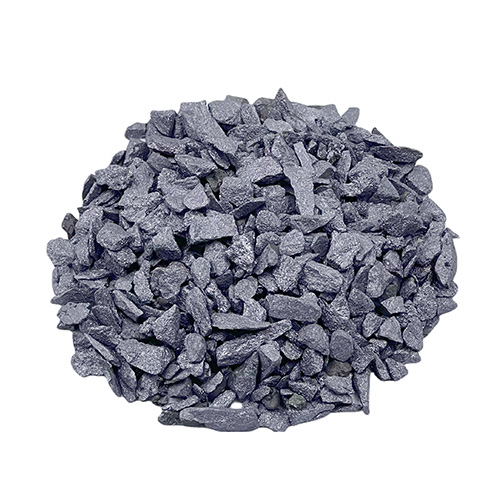
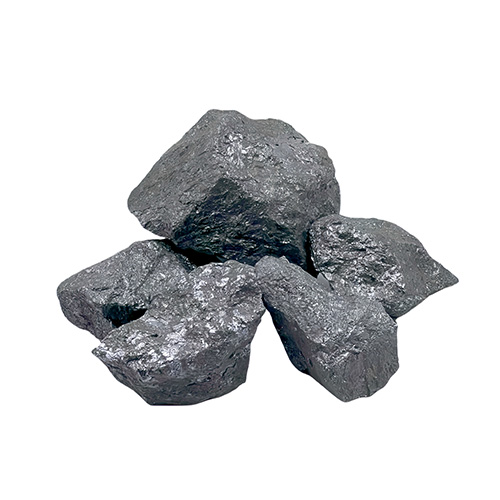
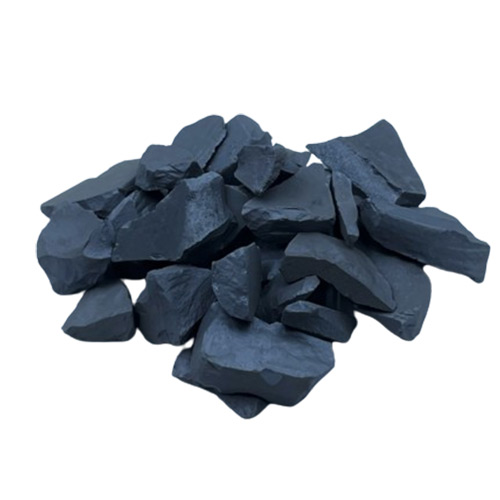
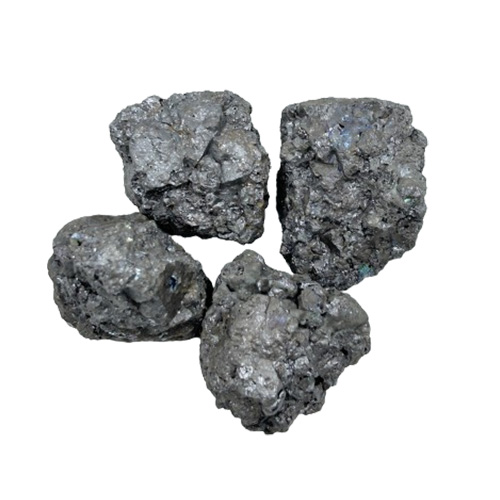
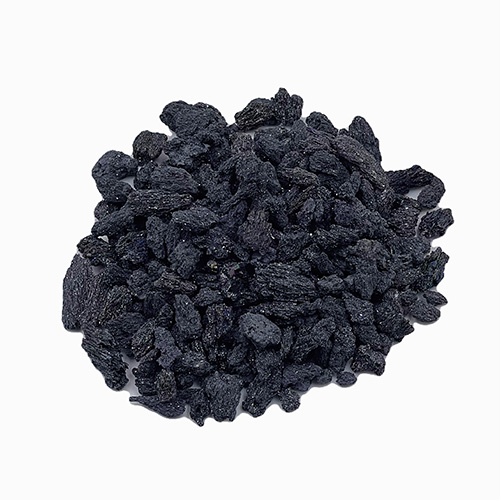
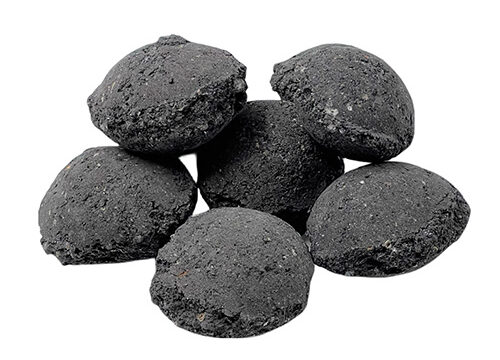
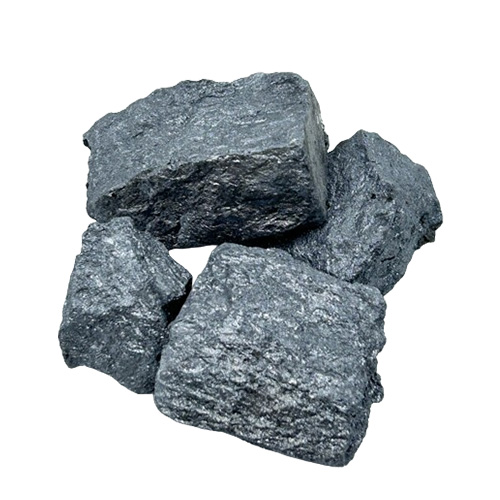
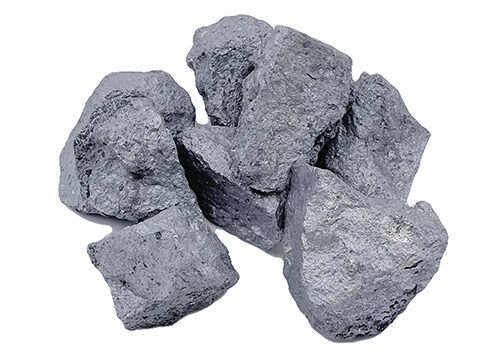
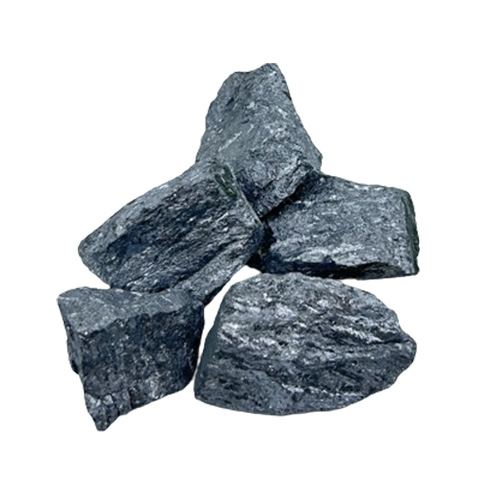
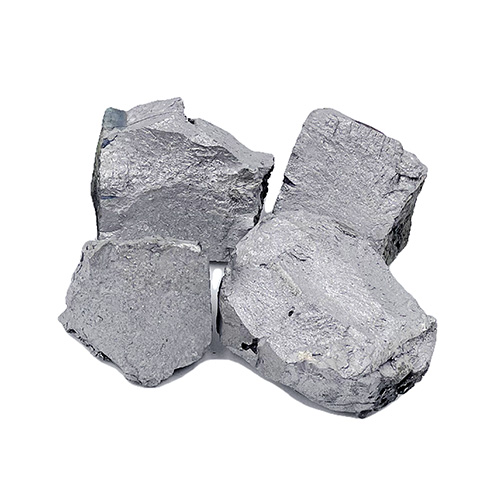
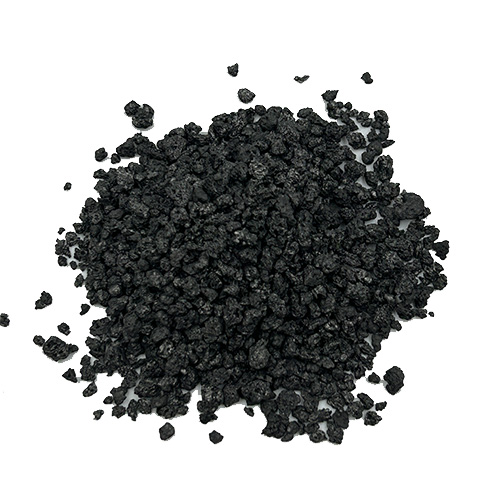
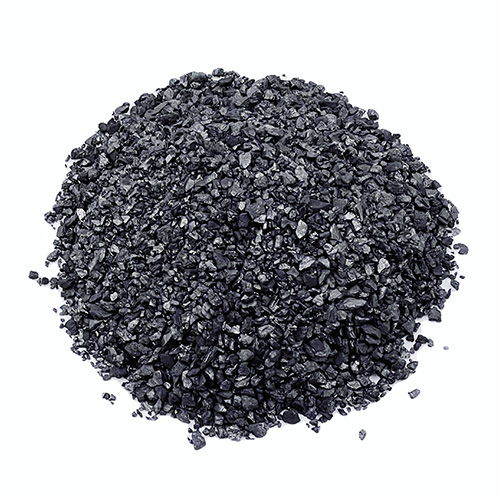
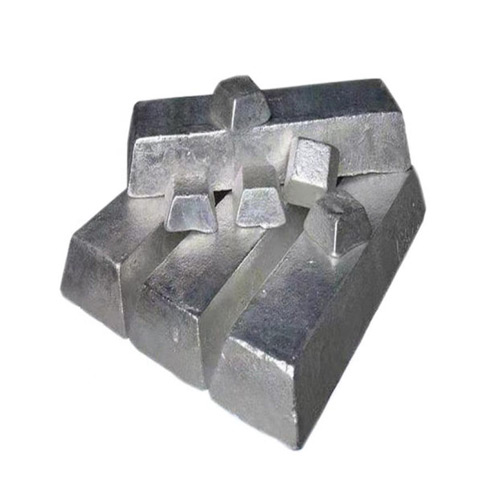
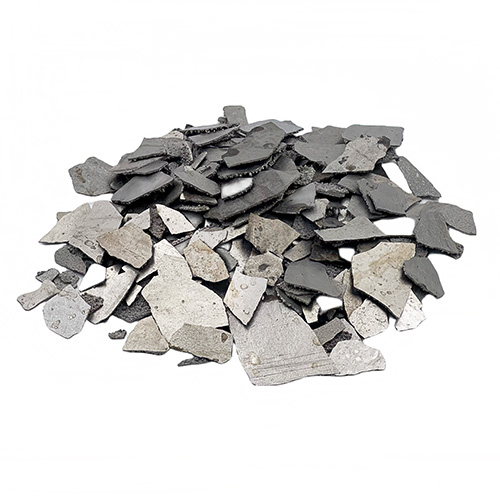
In the field of steelmaking, high carbon silicon (also known as silicon carbon alloy) plays a crucial role as an important alloy additive. Recently, with technological breakthroughs, the silicon content in high carbon silicon has been increased to 72%, bringing new opportunities and challenges to steelmaking processes. High carbon silicon can indeed partially or fully replace ferrosilicon in certain applications. Both are commonly used alloy materials, primarily in the steel industry for processes like deoxidation, alloying, and composition adjustment. The substitutability of high-carbon silicon for ferrosilicon depends on their chemical composition and the specific requirements of the application. This article delves into the applications of high carbon silicon in steelmaking and the impact of 72% silicon-content high carbon silicon on the steel industry.
In the field of steelmaking, high carbon silicon (also known as silicon carbon alloy) plays a crucial role as an important alloy additive. Recently, with technological breakthroughs, the silicon content in high carbon silicon has been increased to 72%, bringing new opportunities and challenges to steelmaking processes. High carbon silicon can indeed partially or fully replace ferrosilicon in certain applications. Both are commonly used alloy materials, primarily in the steel industry for processes like deoxidation, alloying, and composition adjustment. The substitutability of high-carbon silicon for ferrosilicon depends on their chemical composition and the specific requirements of the application. This article delves into the applications of high carbon silicon in steelmaking and the impact of 72% silicon-content high carbon silicon on the steel industry.
High Carbon Silicon: The “Versatile Player” in Steelmaking
High carbon silicon is an alloy composed of silicon and carbon, and it primarily serves the following roles in the steelmaking process:
- Deoxidizer: The silicon in high carbon silicon combines with oxygen in the molten steel to form silicon dioxide, effectively removing oxygen from the steel and improving its purity.
- Alloying Element: Silicon is a crucial alloying element in steel, enhancing its strength, hardness, elastic limit, and wear resistance.
- Improving Casting Performance: High carbon silicon can improve the fluidity of molten steel, reduce casting defects, and enhance the quality of castings.
72% Silicon Content: A Leap in High Carbon Silicon Performance
Traditional high carbon silicon typically has a silicon content ranging from 65% to 70%. The emergence of high carbon silicon with 72% silicon content signifies:
- Stronger Deoxidizing Capability: Higher silicon content means greater deoxidizing power, enabling more effective removal of oxygen from molten steel and improving steel quality.
- More Pronounced Alloying Effects: Higher silicon content can more significantly enhance the strength, hardness, and other properties of steel.
- Reduced Addition Amount: Due to the higher silicon content, less high carbon silicon is needed to achieve the same results, thereby lowering production costs.
- Applicability: With a silicon content of 72%, high carbon silicon is close to the range of ferrosilicon, making it suitable for many steel production processes, especially in the production of low-alloy steel, ordinary carbon steel, or medium-carbon steel, where it can replace ferrosilicon. However, due to its higher carbon content, additional process adjustments may be needed for steel grades that require strict carbon control, such as low-carbon steel or certain stainless steel.
Applications of 72% Silicon-Content High Carbon Silicon in Steelmaking
The applications of 72% silicon-content high carbon silicon in steelmaking are mainly reflected in the following areas:
- High-Quality Steel Production: Used in the smelting of steel grades requiring high purity, such as bearing steel, gear steel, and spring steel.
- Special Steel Production: Employed in the smelting of steel grades with special properties, such as heat-resistant steel, corrosion-resistant steel, and electrical steel.
- Improving Steelmaking Efficiency: By reducing the amount of high carbon silicon added, production costs are lowered, and efficiency is enhanced.
Contant Long Silicon
Our company was founded in 2006 with a registered capital of 5 million CNY. It mainly produces
iron
alloys and auxiliary materials in iron and steel smelting, building materials, electric power,
petrochemical, non-ferrous smelting and other industries.