Language:

Low Grade Silicon (Silicon Slag) – Reliable and Cost-Efficient for Industrial Use

Back
21 May 2025
What is Low Grade Silicon (Silicon Slag)? Low Grade Silicon Typical Chemical Composition. Low Grade Silicon Main Applications.

What is Low Grade Silicon (Silicon Slag)?

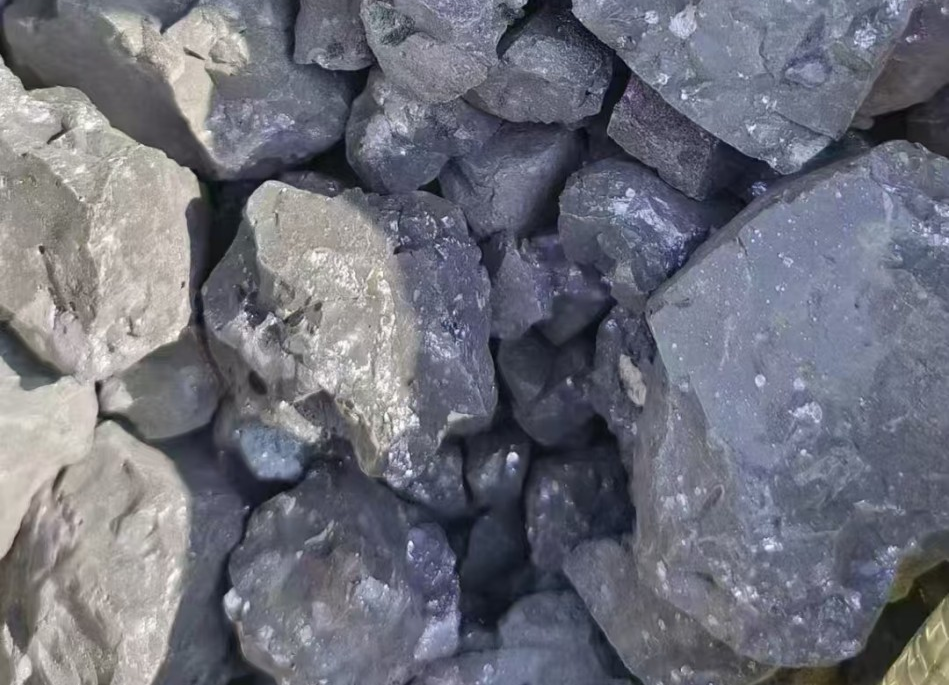
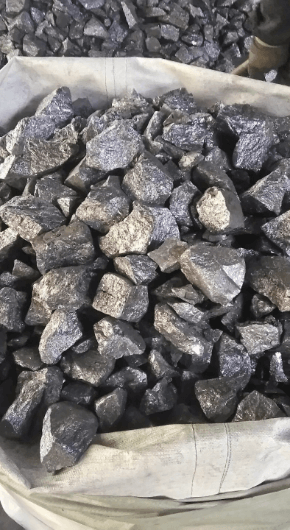
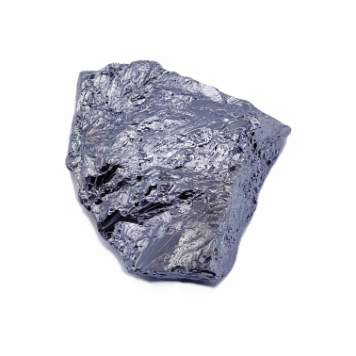
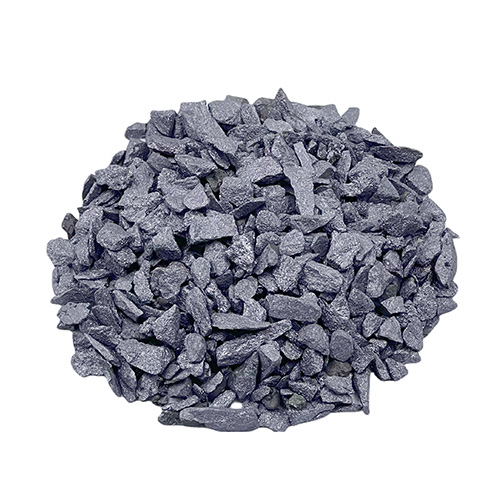
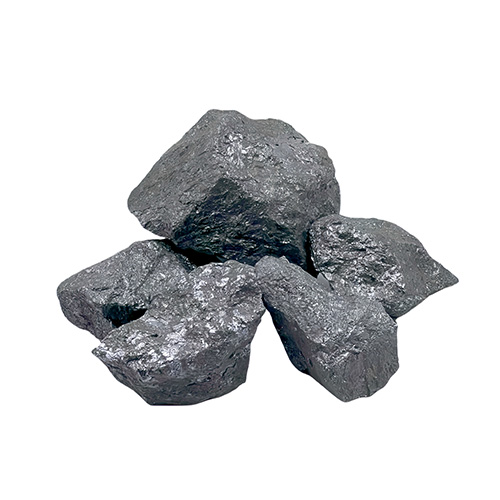
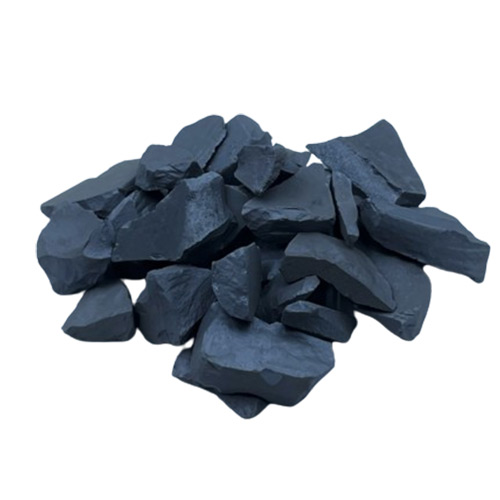
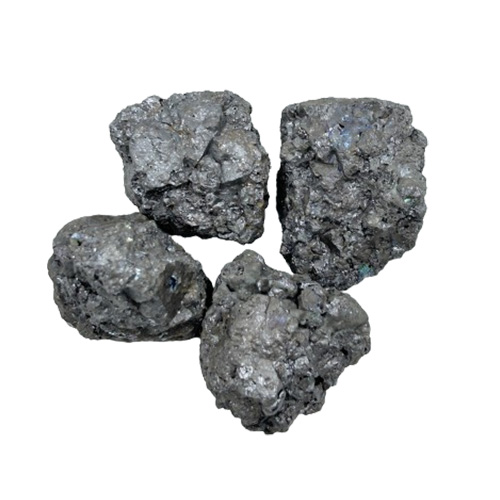
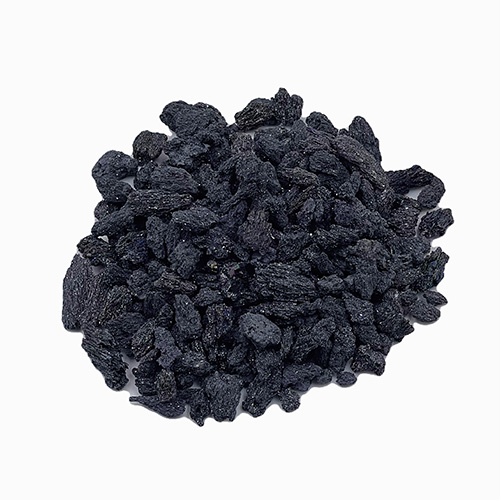
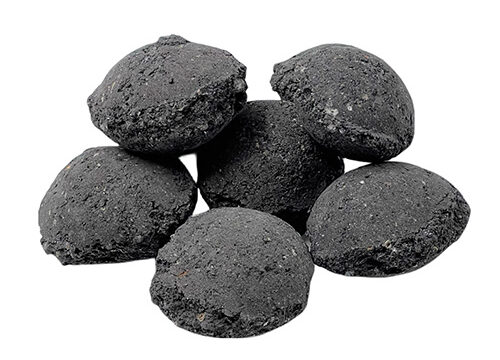
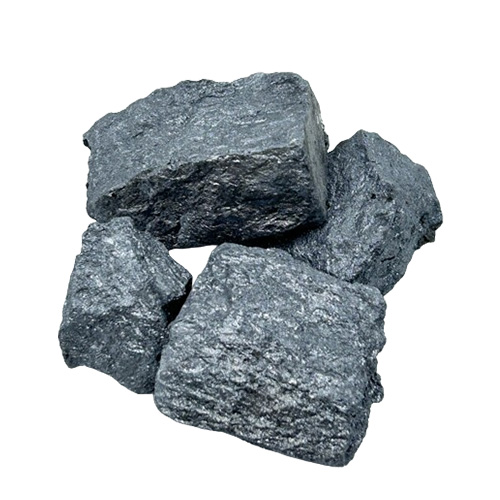
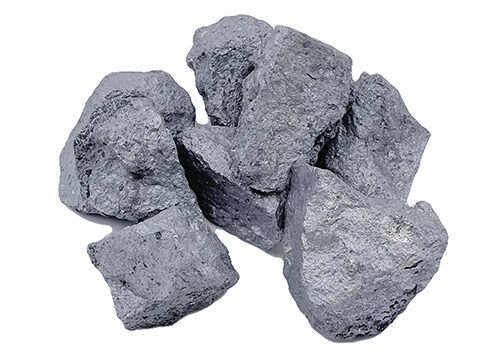
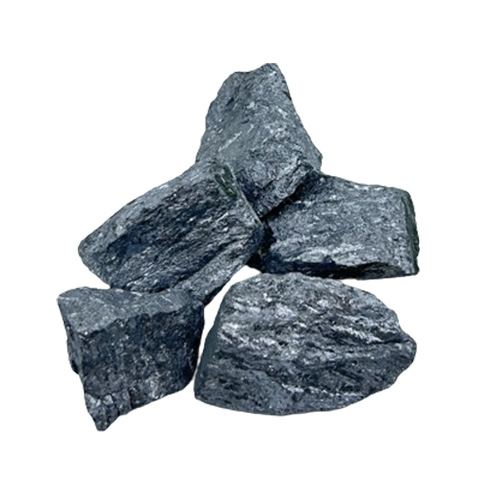
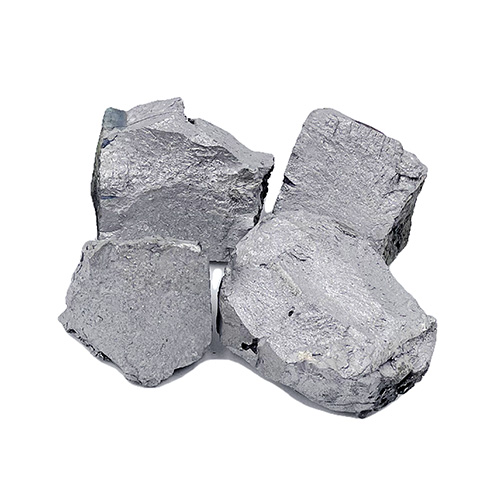
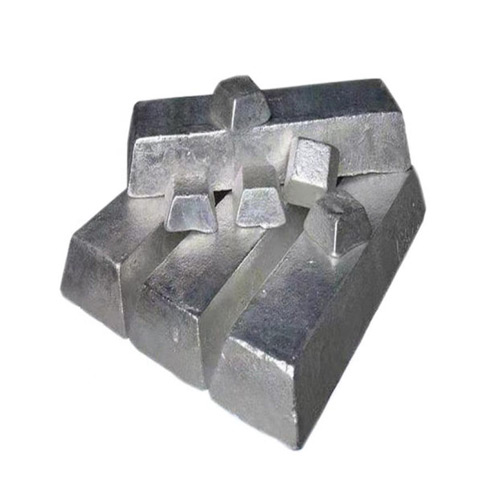
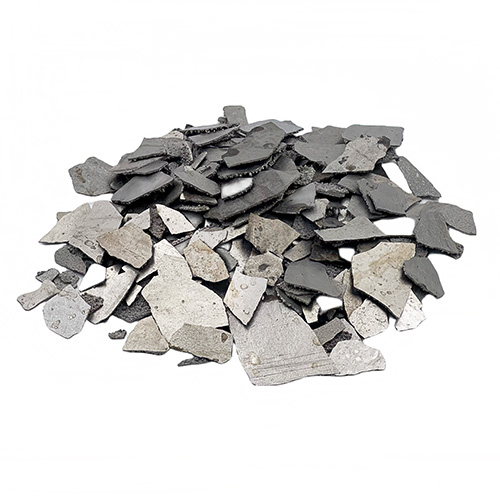
Low grade silicon, also commonly known in industrial metallurgy as silicon slag, refers to the by-product of silicon metal or ferrosilicon production. Despite having lower purity levels (typically 30%–60% Si), it retains sufficient active silicon content to be effectively used in steelmaking, casting, and ferroalloy processes.

Rather than being discarded, silicon slag is collected, sorted, and processed into usable particle sizes, making it an ideal low-cost substitute for traditional silicon-based deoxidizers like ferrosilicon (FeSi).

Low Grade Silicon Typical Chemical Composition

Element Content Range Role
Si 30% – 60% Active silicon for deoxidation
C 0.2% – 1.5% Residual carbon, sometimes beneficial in carburization
Fe ≤ 5.0% From ferrosilicon remnant
Al ≤ 3.0% Varies, may affect slag formation
Ca ≤ 1.5% May assist desulfurization
S, P ≤ 0.05% Typically controlled

Custom grades available to meet your steelmaking or casting requirements.

Low Grade Silicon Main Applications

1. Steelmaking Industry

Silicon slag is widely used as a deoxidizer in the production of carbon steel and alloy steel. It helps to remove oxygen from molten steel, improving fluidity and reducing impurities.

Why choose silicon slag over ferrosilicon?

  • Similar function at much lower cost
  • Ideal for ladle refining or converter operations
  • Especially useful in low-silicon steel grades

2. Foundry and Casting

In grey iron or malleable iron casting, silicon slag contributes to:

  • Promoting graphite formation
  • Enhancing surface quality of castings
  • Improving iron flowability

It can be used alone or blended with ferrosilicon depending on specific metallurgy requirements.

3. Ferroalloy and Slag Conditioner

In silicon manganese or ferrochrome smelting, low-grade silicon is used to:

  • Adjust silicon ratios in the alloy mix
  • Act as a slag conditioner, improving slag viscosity and removing impurities

Why Use Low-Grade Silicon (Silicon Slag)?

1. Cost Savings

Compared with ferrosilicon (FeSi 75 or 72), silicon slag can cut raw material costs by 20–40%, especially in non-critical or secondary steel grades.

2. Functional Efficiency

Even with lower silicon content, it maintains sufficient metallurgical activity for deoxidation, especially in converter and ladle operations.

3. Sustainability

Silicon slag represents a responsible approach to waste recycling and resource optimization in the silicon industry. Its use supports circular economy goals.

4. Supply Availability

As a by-product, supply is consistent and available in large volumes, especially from China-based producers.

Low Grade Silicon Available Specifications

Size Range Recommended Use
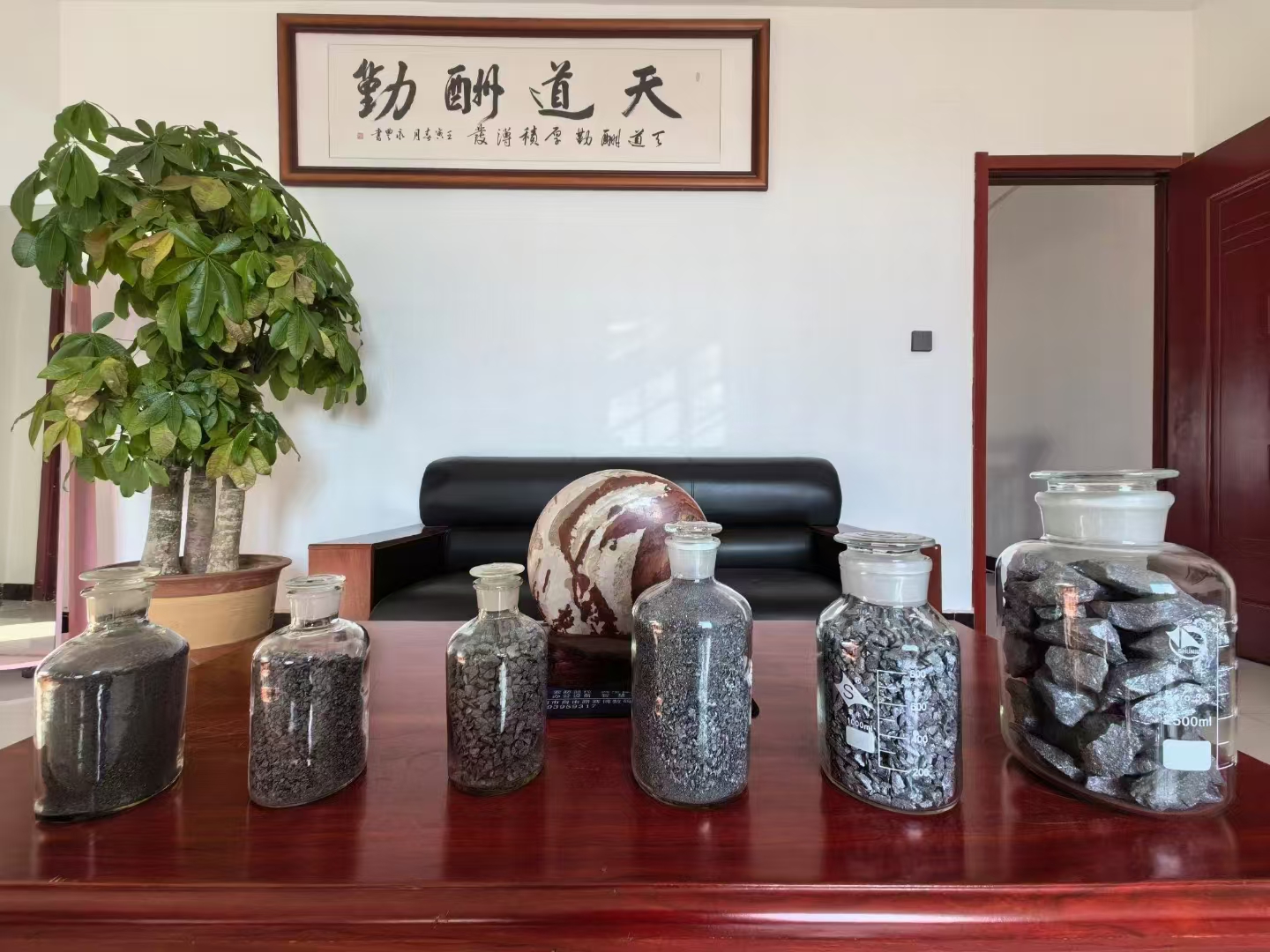
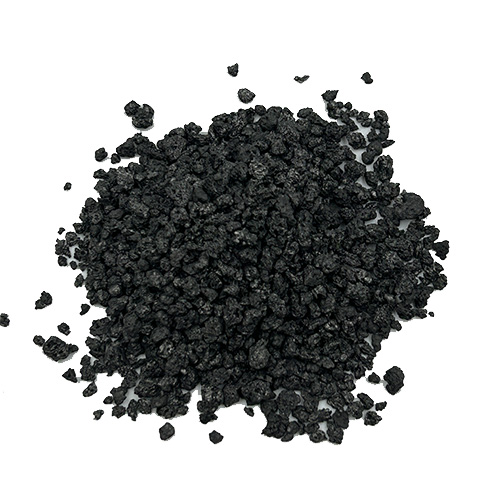
0–3 mm Cored wire filling, powder blending
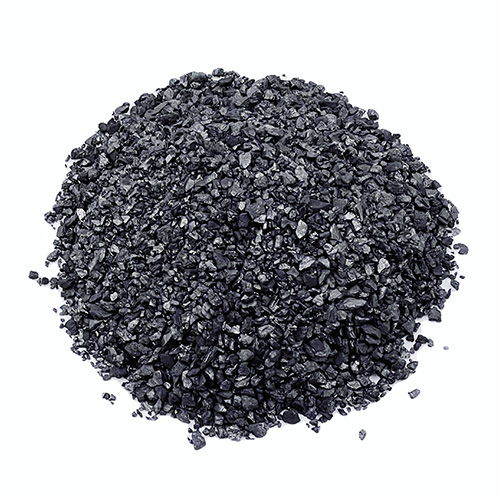
3–10 mm Ladle deoxidation addition
10–50 mm Furnace charging material
Custom Sizing Available on request

Low Grade Silicon Packaging & Delivery

  • 1000kg jumbo bags with inner lining
  • Palletized or bulk loose container loading
  • Standard export packaging for maritime shipping
  • SGS / CIQ / COA certificates available

Low Grade Silicon Ideal For

  • Steel mills seeking budget deoxidizers
  • Foundries producing low or medium-grade castings
  • Ferroalloy plants blending silicon inputs
  • Traders looking for cost-competitive silicon materials
  • Sustainable manufacturers integrating recycled materials


Contant Long Silicon
Our company was founded in 2006 with a registered capital of 5 million CNY. It mainly produces iron alloys and auxiliary materials in iron and steel smelting, building materials, electric power, petrochemical, non-ferrous smelting and other industries.
Not seeing a product that suits your needs?
Let Long Silicon sales experts make the selection for you
Related News Recommendation
Jan 29, 2026
Magnesium Ingot Price Trend for January 2026
In January 2026, magnesium ingots (taking the mainstream 99.90% grade as an example) generally trended as rising first, then correcting, and stabilizing with a rebound in the late month. The mainstream spot transaction price fluctuated in the range of 16,000-16,800 CNY/ton. The core drivers were cost support combined with strong intentions to maintain prices; transaction volume was dominated by downstream rigid demand and pre-festival stockpiling, regional price spreads remained stable, and the price edged up slightly at the end of the month due to tight supply. Below is the full-month price information (Tax-inclusive, unit: CNY/ton, un-pickled with simple packaging).
More
Mar 11, 2025
What Are the Differences between Metal Silicon Powder and Silica Fume?
More
Jul 16, 2025
Calcium silicon plays a key role in the metal industry
July 24, 2024 - The global metallurgical industry is facing a new challenge as the availability of silicon calcium, a critical raw material, has become increasingly scarce. This supply crunch is causing significant disruptions across steel, aluminum, and other metal production sectors worldwide.
More
+86 13523337775
+86 13523337775
ayzhyjnc888@gmail.com
X
Let's Have A Chat
REQUEST A QUOTE

    Your email information is completely secure and
    will not be disclosed to third parties for any reason.