Call Us Today!
(86) 13523337775 |
ayzhyjnc888@gmail.com

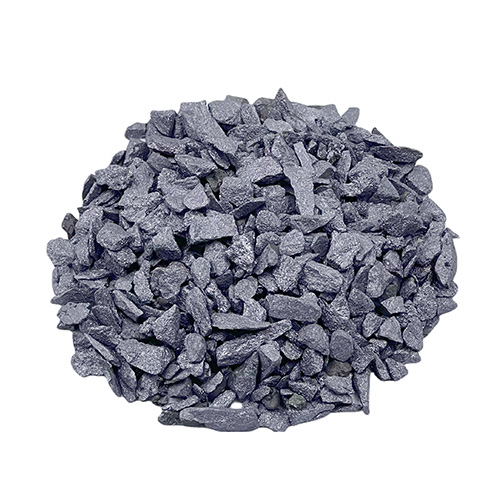
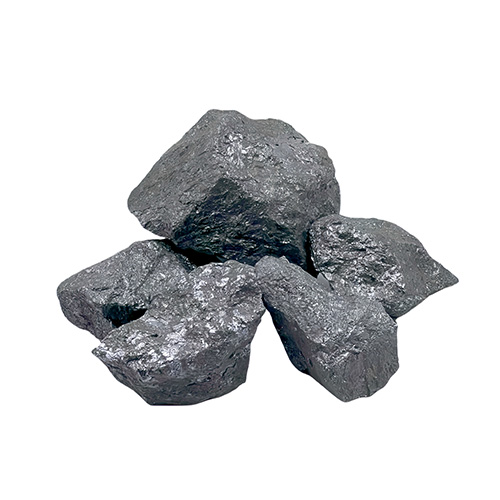
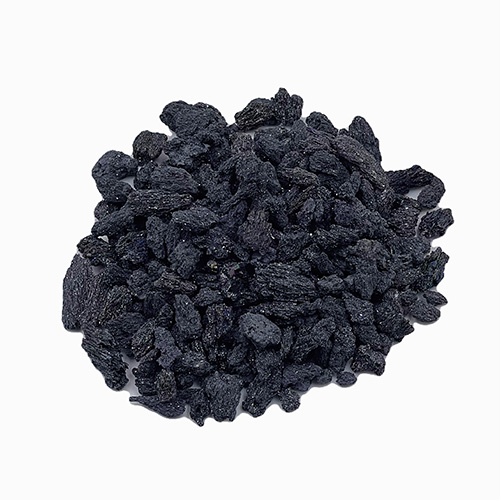
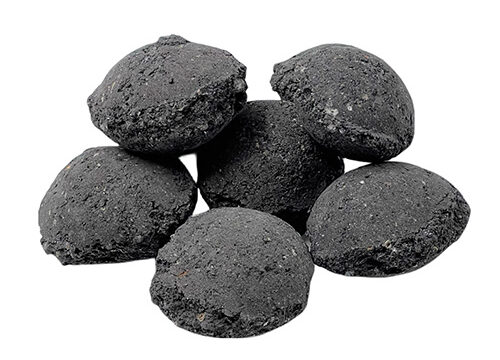
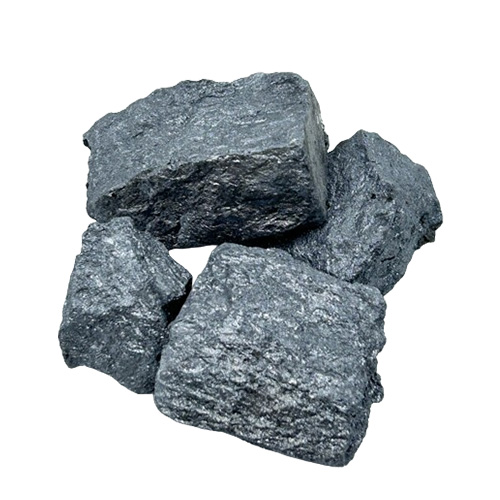
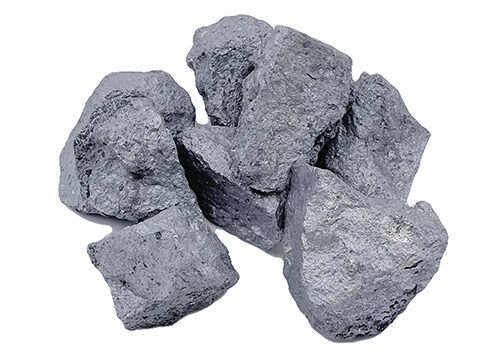
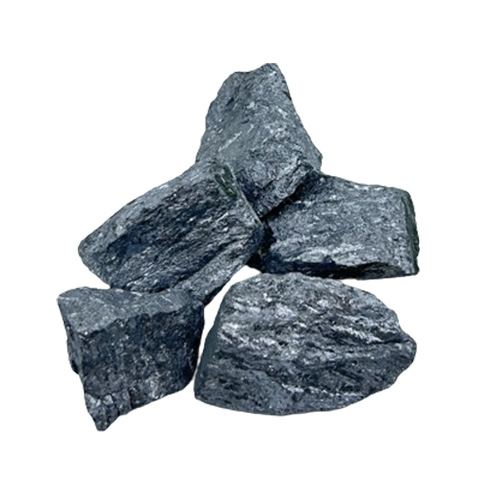
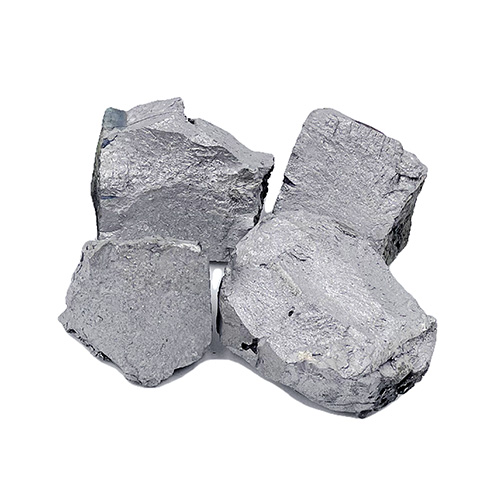
Silicon slag is a by-product from the production of industrial silicon and silicon alloys. It is gaining attention for its multifunctional use in the steel and foundry industries.
Its main components include silica (SiO₂, 40%-70%), alumina (Al₂O₃, 5%-20%), iron oxide (Fe₂O₃, 3%-15%), and calcium-magnesium oxides (CaO+MgO, 2%-10%). With high cost-effectiveness and environmental benefits, silica slag is becoming an important material in modern industry.
Why Consider Silicon Slag as an Alternative?
Significant Cost Reduction: This is the most immediate and impactful benefit. Silicon slag is considerably cheaper than primary ferrosilicon. By integrating it into their process, foundries and steel plants can achieve substantial cost savings on raw materials without compromising the end product’s quality.
Composition and Properties
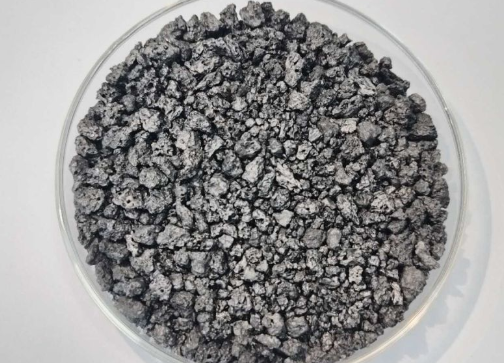
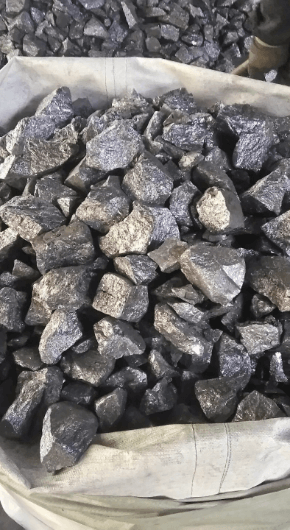
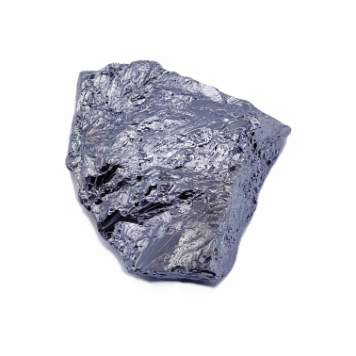
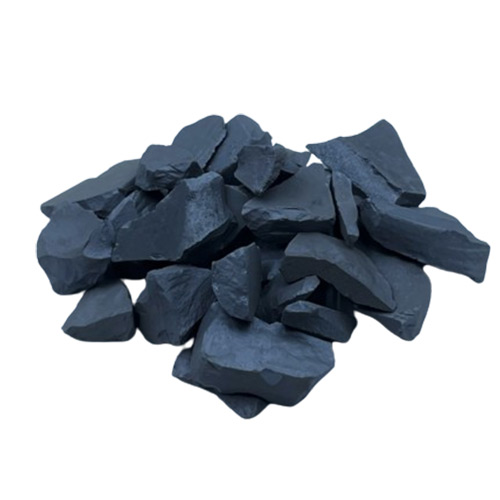
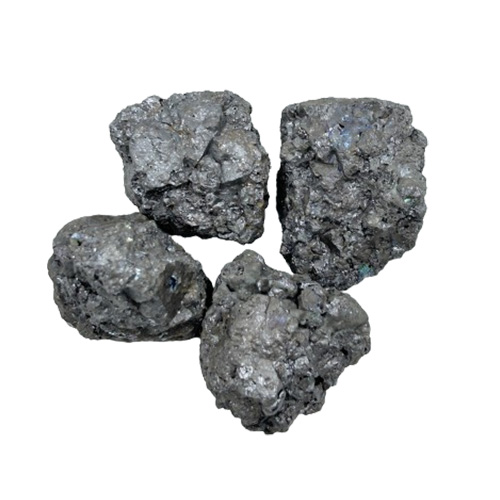
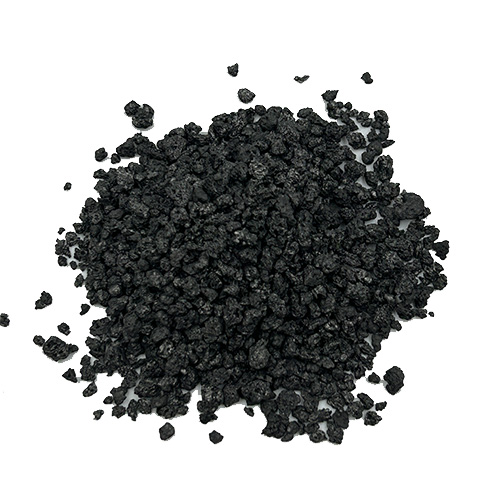
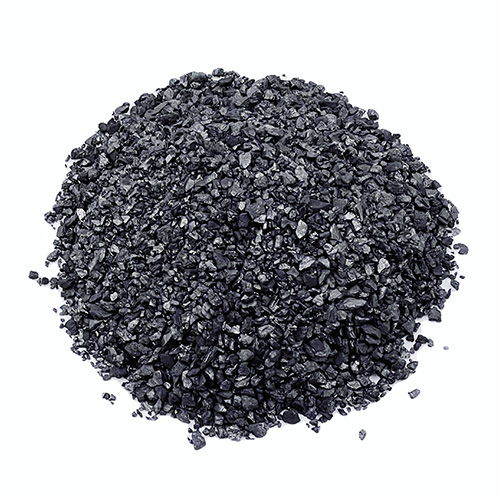
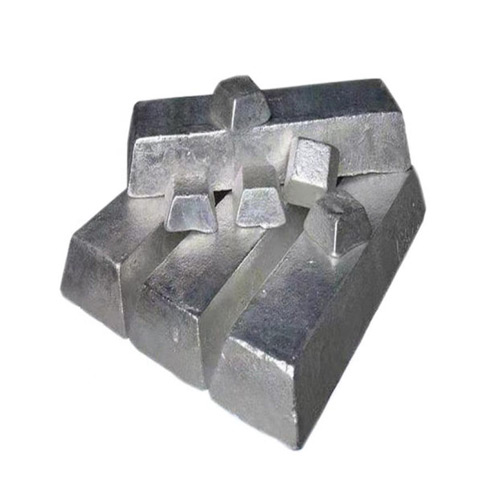
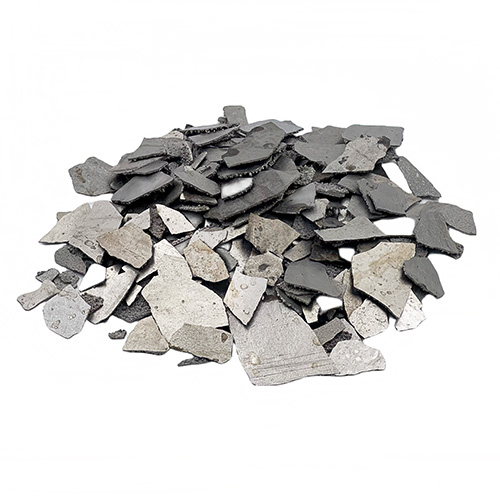
The chemical composition of silicon slag varies with the production process. Furnace slag contains more SiO₂ (60%-70%), suitable for building material recycling. Refined slag has higher Al₂O₃ and CaO (up to 25%), often used in the aluminum alloy industry. It appears as gray-black granules or blocks, with a density of 2.2-2.8 g/cm³. Its melting point ranges from 1200°C to 1600°C depending on composition. Some slag may contain trace heavy metals such as lead and arsenic, requiring careful handling.
Applications in the Steel Industry
Silicon slag has wide applications in steelmaking:
Deoxidizer: Silicon reacts with oxygen in molten steel, reducing oxygen and inclusions, improving steel quality. Its strong affinity with oxygen makes it a cost-efficient alternative to ferroalloys.
Desulfurization: Alkaline oxides in the slag react with SO₂, forming sulfates, which help reduce emissions and meet environmental standards.
Temperature booster: Silicon slag raises furnace temperature, ensuring stable high heat for efficient smelting. Improved flow: It gathers oxide inclusions, making molten steel flow better and refining smoother.
Applications in the Foundry Industry
In foundries, silicon slag also plays a role:
Adjusting cast iron: It increases furnace temperature and molten iron flow, improving casting quality, toughness, and machinability.
Deoxidizer: It lowers oxygen in molten iron, prevents porosity, and enhances density and mechanical properties.
Challenges and Best Practices
Improper use may reduce effectiveness. Inaccurate analysis can cause over- or under-dosing, affecting deoxidation, desulfurization, or flow. Wrong process timing may disrupt production.
To ensure performance: Analyze composition accurately before use. Follow the process strictly, with correct sequence, time, and dosage. Monitor quality continuously and adjust slag usage when needed.
Future Outlook
As industries seek sustainability and cost efficiency, silicon slag is becoming a valuable resource. Turning by-products into key materials reduces waste, improves product quality, and supports environmental compliance. With standardized use, silicon slag will play a greater role in steel and foundry manufacturing.