Call Us Today!
(86) 13523337775 |
ayzhyjnc888@gmail.com

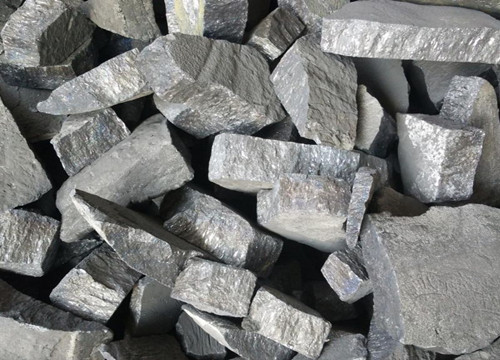
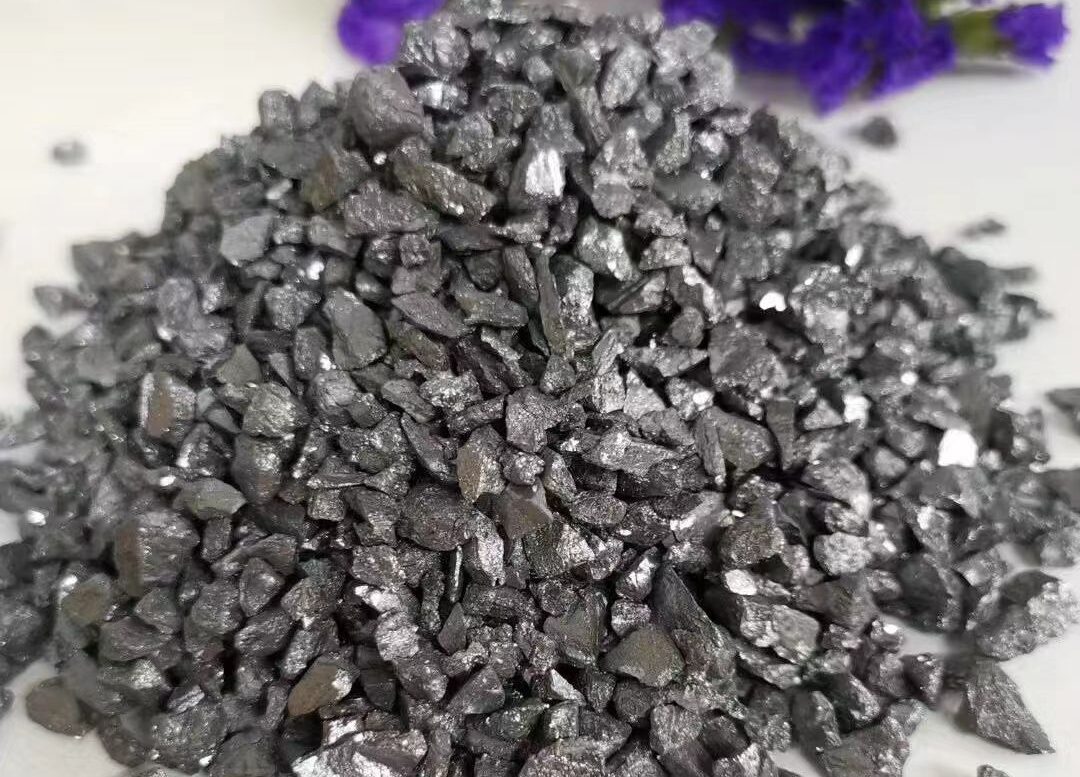
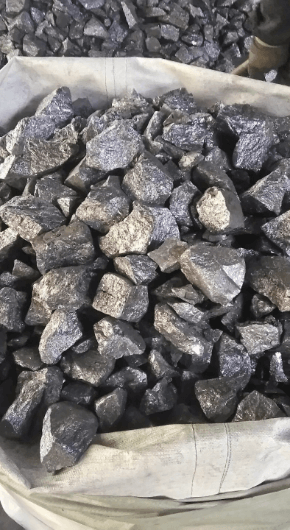
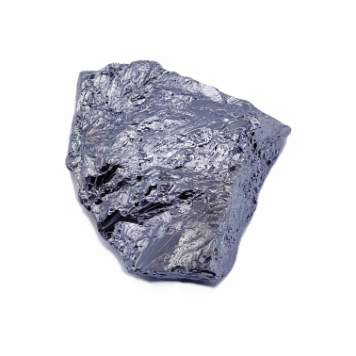
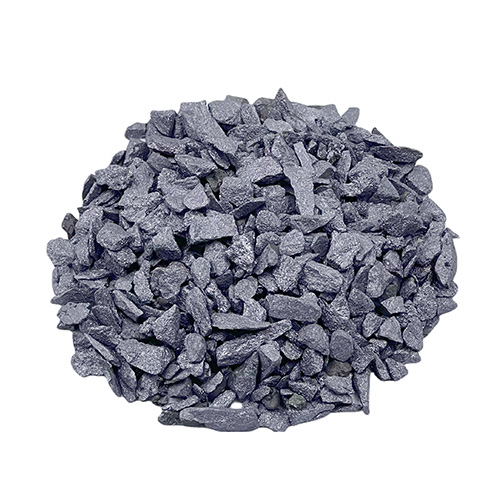
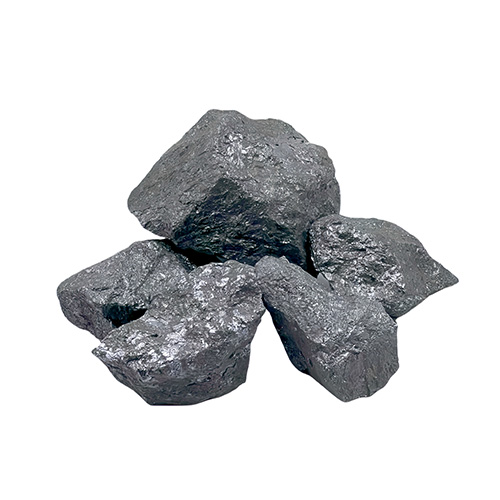
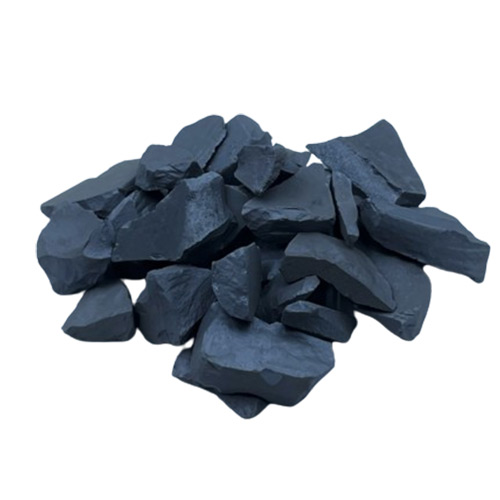
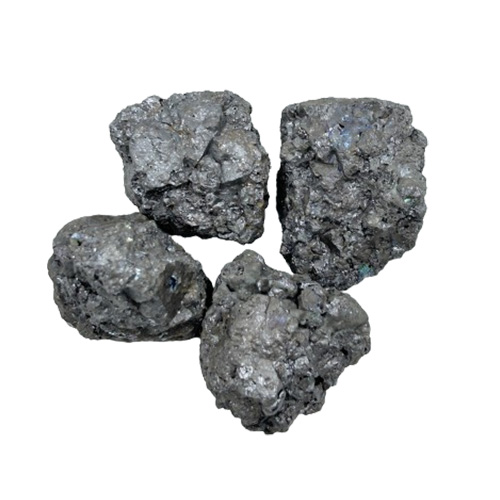
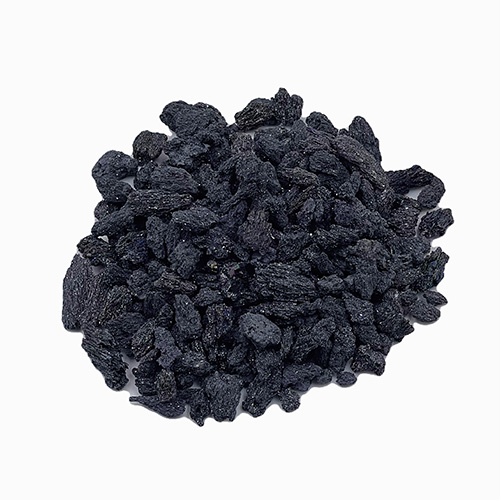
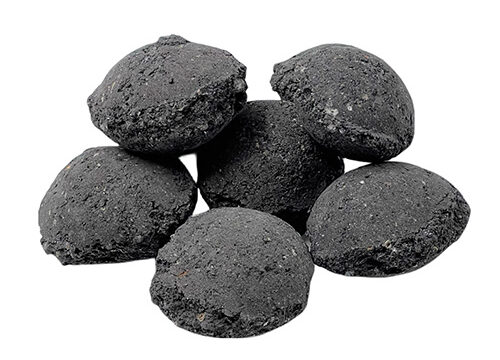
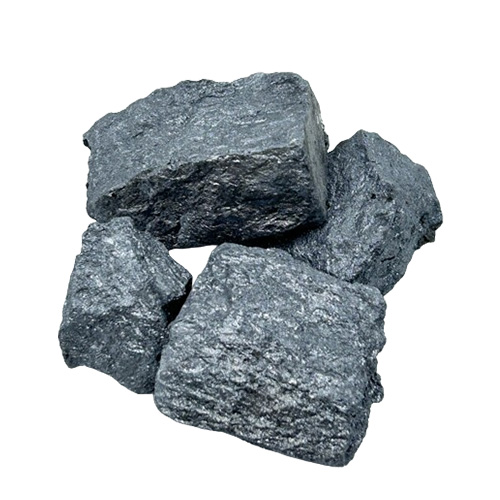
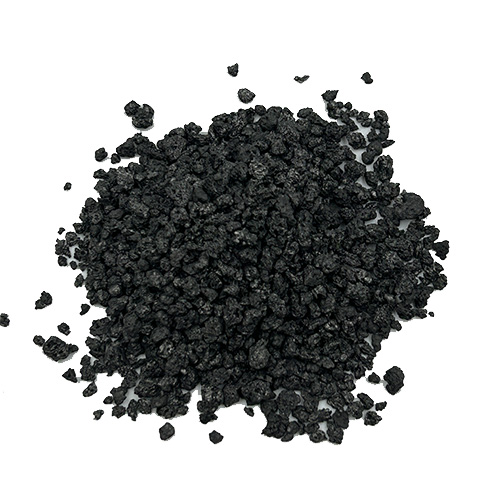
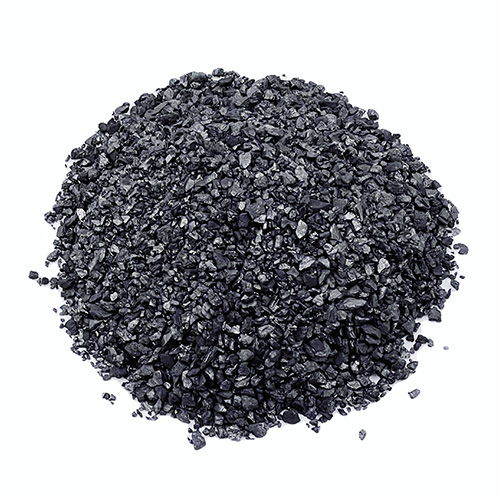
Calcined Petroleum Coke
A specialized form of carbon material produced through the thermal treatment of petroleum coke, which is a byproduct of oil refining. The calcination process involves heating the petroleum coke to high temperatures in the absence of air, resulting in the removal of volatile compounds and moisture. This process enhances the material’s structural integrity and electrical conductivity, making it suitable for various industrial applications.
Calcined Petroleum Coke finds extensive use across several industries due to its unique properties. Here are some key applications
Steel Industry: In steel manufacturing, calcined petroleum coke serves as a critical component in the production of anodes for aluminum smelting and as a reducing agent in iron ore processing. Its high carbon content and low impurities make it ideal for enhancing the quality of steel.
Refractory Materials: The refractory industry utilizes calcined petroleum coke for producing high-temperature resistant materials. Its ability to withstand extreme conditions without degrading makes it essential in furnaces and kilns.
Aluminum Production: In aluminum smelting, calcined petroleum coke is used to create anodes that facilitate the electrolysis process. These anodes are crucial for extracting aluminum from its ore, significantly impacting production efficiency.
Batteries: Recent advancements have seen calcined petroleum coke being explored as a material in battery technologies, particularly lithium-ion batteries. Its conductive properties can enhance performance metrics such as charge capacity and longevity.
The advantages associated with using calcined petroleum coke include
High Purity Levels: The calcined process ensures that impurities are minimized, leading to higher quality products.
Enhanced Conductivity: The thermal treatment improves electrical conductivity, making it suitable for applications requiring efficient energy transfer.
Thermal Stability: Its ability to withstand high temperatures without breaking down is vital for industries like steel and refractory manufacturing.
Cost-Effectiveness: As a byproduct of petroleum refining, its availability can lead to lower costs compared to other forms of carbon materials.
The Process of applying calcined petroleum coke in Various Industries
Steel Industry Process
The production begins with sourcing high-quality petroleum coke.
It undergoes calcination at temperatures exceeding 1200°C.
Post-calcination, the material is crushed and sized before being used in steel-making processes or sold as anode-grade material.
Refractory Industry Process
Similar initial steps are taken with petroleum coke.
After calcination, additives may be mixed with the product to enhance specific properties required for refractory applications.
The final mixture is shaped into bricks or castables that can endure extreme heat.
Aluminum Production Process
Petroleum coke is processed through calcination before being formed into anodes.
These anodes are then baked at high temperatures to achieve desired physical characteristics.
Once ready, they are utilized in electrolytic cells during aluminum extraction.
Battery Manufacturing Process
Calcined petroleum coke is integrated into composite materials used in electrodes.
It undergoes further processing involving mixing with other conductive materials and binders before being shaped into battery components.
Testing follows to ensure performance meets industry standards before mass production.